The Ministry of education introduces new reforms to strengthen teaching, learning and student development

The Ministry of Education is introducing a series of reforms designed to improve the quality of education, strengthen the teaching profession and support the all-round development of learners. The changes cover Teacher Training Colleges, school timetables, parental contributions to school feeding and discipline in schools.
Stronger preparation for primary school teachers
Beginning in September 2026, learners enrolling in Teacher Training Colleges (TTCs) will undertake a five-year programme instead of the current three-year programme.
The reform will give future primary school teachers stronger professional and practical preparation before they enter the classroom. Under the current programme, limited time is available for essential areas such as teaching methods, classroom management, child development and practical teaching experience. The period allocated to school attachment is also too short to provide student teachers with sufficient exposure to real classroom situations.
The extended programme will allow trainees to deepen their subject knowledge, strengthen their teaching skills and gain more hands-on experience in schools. It will also help bring Rwanda’s qualification requirements for primary teachers closer to regional and international standards, where a diploma or bachelor’s degree is increasingly required to enter the profession.
Raising teachers’ qualifications is expected to strengthen the profession, make teaching more attractive and expand opportunities for Rwandan educators to compete and work within the East African region and beyond.
A more balanced school day
Schools will also introduce a more balanced timetable that gives greater attention to effective learning and co-curricular activities.
The objective is better learning, not simply longer hours at school. A well-structured school day can improve learners’ concentration, reduce fatigue among teachers and create more opportunities for engaging, learner-centred instruction.
Education extends beyond academic achievement. Through sports, clubs, arts and other co-curricular activities, learners develop creativity, teamwork, leadership, confidence and practical life skills. These opportunities support their academic, social and emotional development.
The timetable reform will therefore help schools nurture the whole child while preparing young people with the knowledge, skills, values and competencies needed to contribute to Rwanda’s Vision 2050.
Revised parental contributions from January 2027
From January 2027, during Term Two, parental contributions will be adjusted to help schools secure adequate resources and continue providing quality education. The Government will remain a major contributor and will also increase its capital grant for school feeding.
For pre-primary and primary schools, the parental contribution will increase from Frw 975 to Frw 2,000. For day secondary schools, it will rise from Frw 19,500 to Frw 24,000, while for boarding secondary schools, it will increase from Frw 85,000 to Frw 110,000.
Boarding schools may charge additional fees to cover essential items and services required by resident learners, including sanitary supplies, paper and mattress rental, among other basic needs. A detailed communiqué outlining any additional charges will be issued.
The adjustment is intended to strengthen school operations and the delivery of essential services while maintaining significant Government support for learners.
Discipline as the foundation of successful schools
The reforms also reaffirm the importance of discipline in creating safe, respectful and effective learning environments.
Good discipline helps learners concentrate and perform better academically. It protects valuable teaching time and promotes responsibility, respect, integrity and self-control. It also helps prevent bullying, violence and damage to school property.
Schools will strengthen measures to address indiscipline while promoting positive behaviour and ensuring that every learner is treated fairly. The goal is to make every school a safe, orderly and supportive environment in which learners can study, teachers can teach effectively and the entire school community can thrive.
Together, these reforms represent an important investment in Rwanda’s teachers, learners and schools. By strengthening teacher preparation, balancing the school day, improving available resources and promoting discipline, the Ministry of Education is building a stronger foundation for quality education and Rwanda’s future development.
Topics
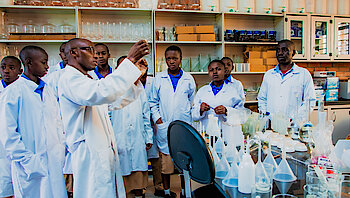
The Ministry of education introduces new reforms to strengthen teaching, learning and student development
The Ministry of Education is introducing a series of reforms designed to improve the quality of education, strengthen the teaching profession and…

MINEDUC–World Bank partnership transforms Rubengera TTC into a modern teacher training hub
A partnership between the Ministry of Education (MINEDUC) and the World Bank has transformed Rubengera Teacher Training College in Karongi District…

Improved Learning Infrastructure Expands Opportunities for Learners in Rubavu
Investments in school infrastructure are helping learners access quality education and pursue their aspirations with greater confidence. At GS Umubano…

MINEDUC through HEC Launches Nationwide Outreach, Urges Universities to Align with National Priorities
The Ministry of Education through Higher Education Council, launches a nationwide outreach program to higher learning institutions (HLIs), aimed at…

University of Rwanda Launches Centre for Genocide and Conflict Studies
University of Rwanda Launches Centre for Genocide and Conflict Studies, the event that brought together government officials, members of parliament,…

SCHOOL FEEDING HAS SIGNIFICANTLY REDUCED SCHOOL DROPOUT
Rwanda, celebrates the national day of school feeding held on March 6, 2026, in Western Province, Rusizi District, Bugarama Sector at Groupe Scolaire…
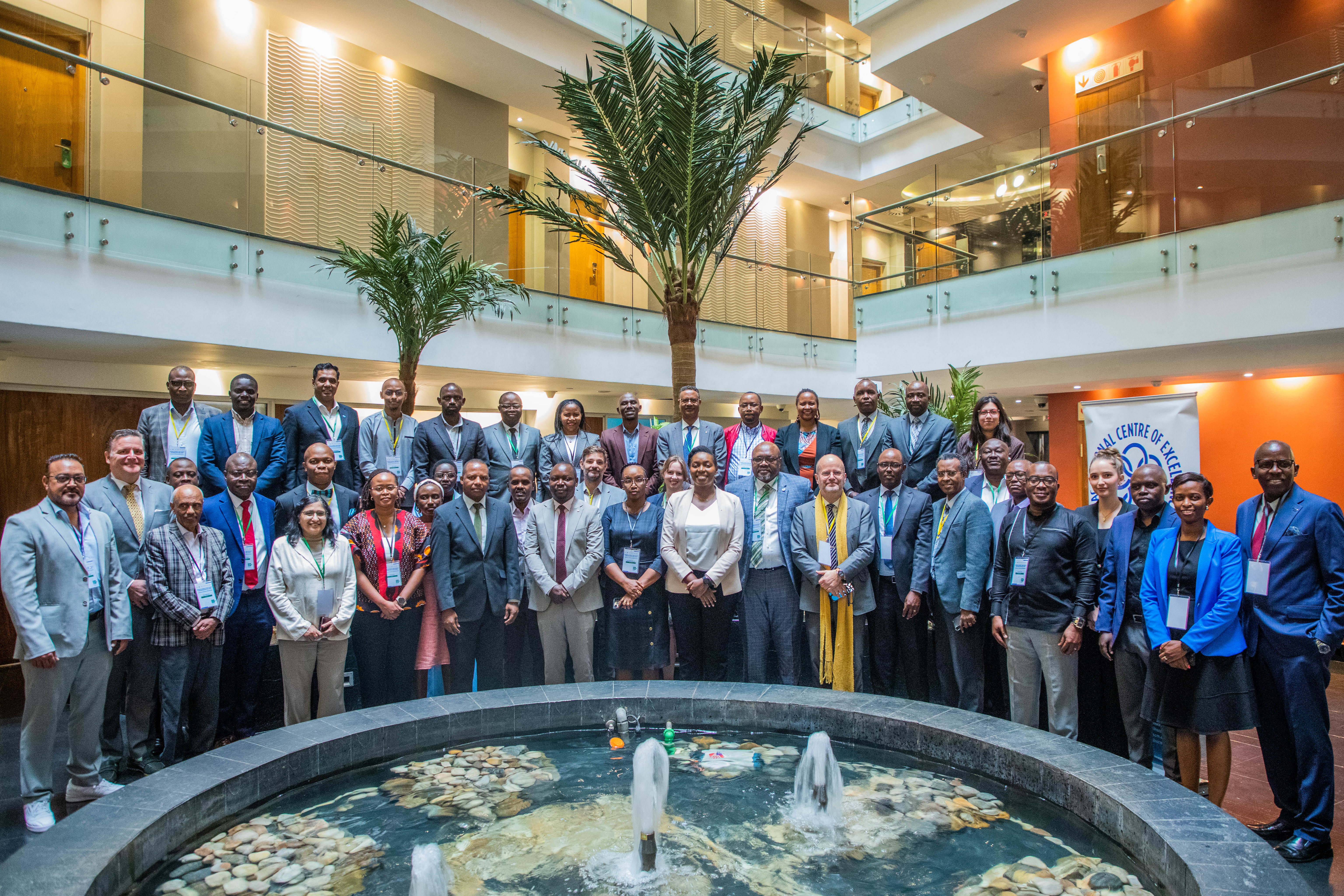
Africa CDC launches East Africa regional capability network to strengthen health workforce and local health product manufacturing
From 25–26 February 2026, leaders from government, academia, industry, and development partners convened in Kigali for the inaugural Regional…
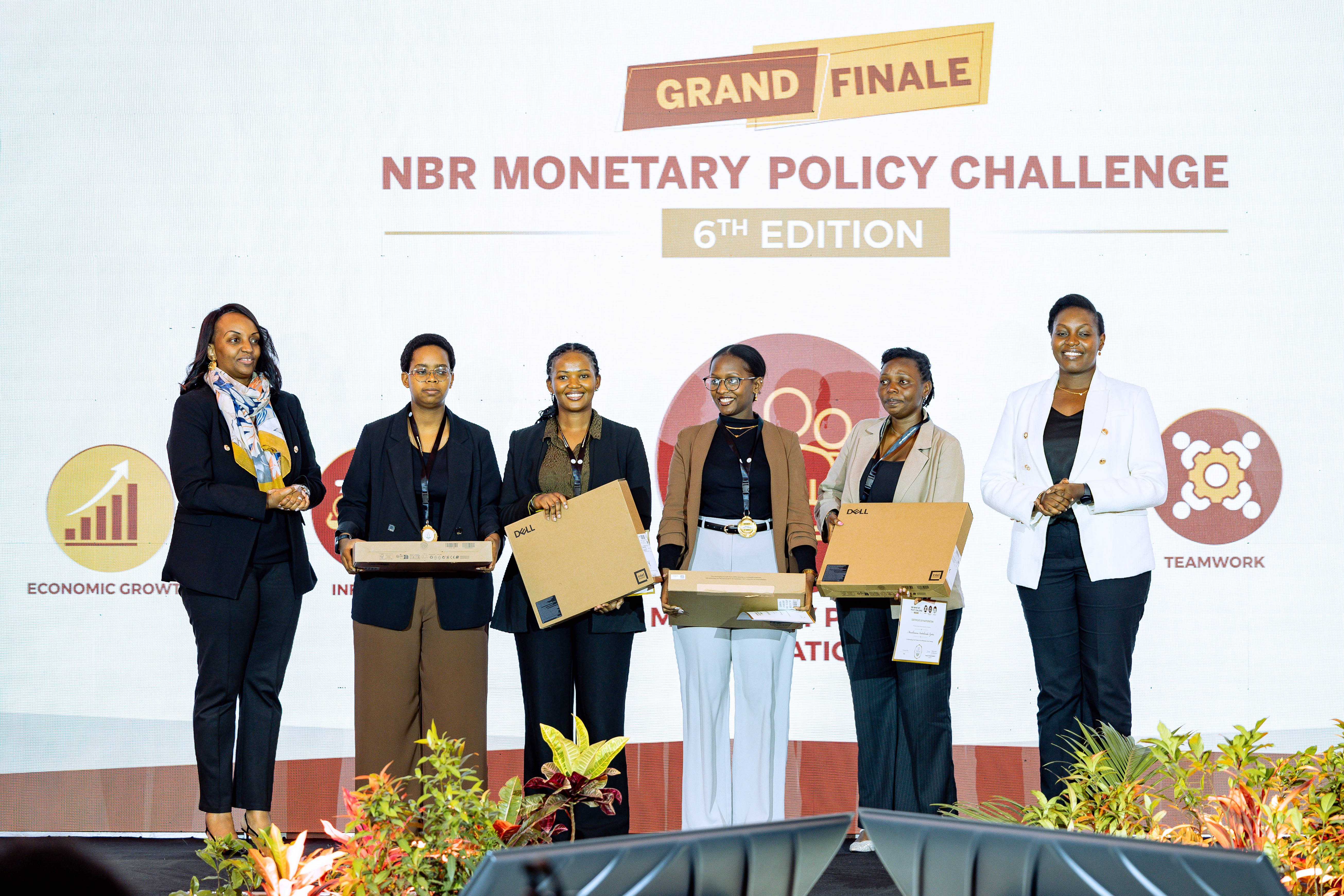
Minister of State for Education, Claudette Irere joins participants at the closing of the Sixth Edition of the Monetary Policy Challenge
Minister of State for Education, Claudette Irere joins participants at the closing of the Sixth Edition of the Monetary Policy Challenge, celebrating…
GLOBAL CONFERENCE IN RWANDA FOCUSES ON EDUCATION, HEALTH, AND SUSTAINABLE LEARNING
From 19–21 February 2026, Rwanda hosted the Global Learning Conference in Africa, bringing together educators, policymakers, thought leaders,…
