Building Skills in Rwanda’s Youth in alignment to the Vision 2050 aspirations

Rwanda Vision 2050 is about ensuring high standards of living for all Rwandans focusing on areas such as: quality of life; modern infrastructure and livelihoods; and transformation for prosperity. This requires: expected standards for all Rwandans; sustained food security and nutrition; universal, sustainable and reliable access to water and sanitation; affordable, sustainable, reliable and modern energy; modern and SMART cities with optimal space utilization, connected cities, broadband; green/eco-friendly; increased productivity and competitiveness; diversified tourism; high value IT and tech services/industry, to name but a few. The vision 2050 is underpinned by the National Strategy for Transformation (NST-1) which targets to establish Rwanda as a “Globally Competitive Knowledge-based Economy”.
To meet those targets, it is essential to achieve the highest possible quality of education that imparts skills that are necessary to enable all citizens of Rwanda to build the advanced country that is envisioned to achieve.
Several of these skills are particularly relevant in today’s world, the 4th Industrial Revolution will fundamentally alter the way we live, work, and relate to one another. We are living in an age of change including the way people live their lives, the way they work, and the way they communicate. The pace of change will only increase as the years go by and there is a need for an integrated and comprehensive response, involving all stakeholders from the public and private sectors to academia and civil society.
There is a strong recognition within Rwanda relating to the importance of the building of skills in Science and Technology to the Nation’s development and economic growth. The principles enshrined in Rwanda’s National Science Technology and Innovation Policy are to support the Promotion of Science, Technology and Scientific Research, as Rwanda “becomes a modern nation, able to generate and disseminate technological knowledge and innovation.” The policy builds upon three overarching themes namely: Knowledge Acquisition and deepening; Knowledge Creation; Knowledge Transfer; Innovation and entrepreneurship Culture.
It is recognised that Science, Technology and Research is a cross-cutting issue and reinforcement of Science, Technology and Research capacity is helping many of the sectors in Rwanda to achieve their objectives. Examples include but not limited to drone technology that is supporting medical supply in rural areas, livestock vaccines supply for farmers, air quality monitoring by University of Rwanda, Mobile &web application and Card-based cashless payment system for public transport was created and built by AC group, with genesis in one of country’s ICT incubation centres known as KLab.
Topics
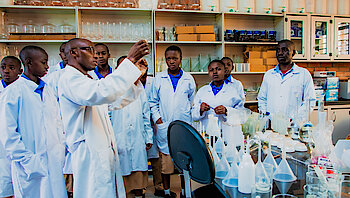
The Ministry of education introduces new reforms to strengthen teaching, learning and student development
The Ministry of Education is introducing a series of reforms designed to improve the quality of education, strengthen the teaching profession and…

MINEDUC–World Bank partnership transforms Rubengera TTC into a modern teacher training hub
A partnership between the Ministry of Education (MINEDUC) and the World Bank has transformed Rubengera Teacher Training College in Karongi District…

Improved Learning Infrastructure Expands Opportunities for Learners in Rubavu
Investments in school infrastructure are helping learners access quality education and pursue their aspirations with greater confidence. At GS Umubano…

MINEDUC through HEC Launches Nationwide Outreach, Urges Universities to Align with National Priorities
The Ministry of Education through Higher Education Council, launches a nationwide outreach program to higher learning institutions (HLIs), aimed at…

University of Rwanda Launches Centre for Genocide and Conflict Studies
University of Rwanda Launches Centre for Genocide and Conflict Studies, the event that brought together government officials, members of parliament,…

SCHOOL FEEDING HAS SIGNIFICANTLY REDUCED SCHOOL DROPOUT
Rwanda, celebrates the national day of school feeding held on March 6, 2026, in Western Province, Rusizi District, Bugarama Sector at Groupe Scolaire…
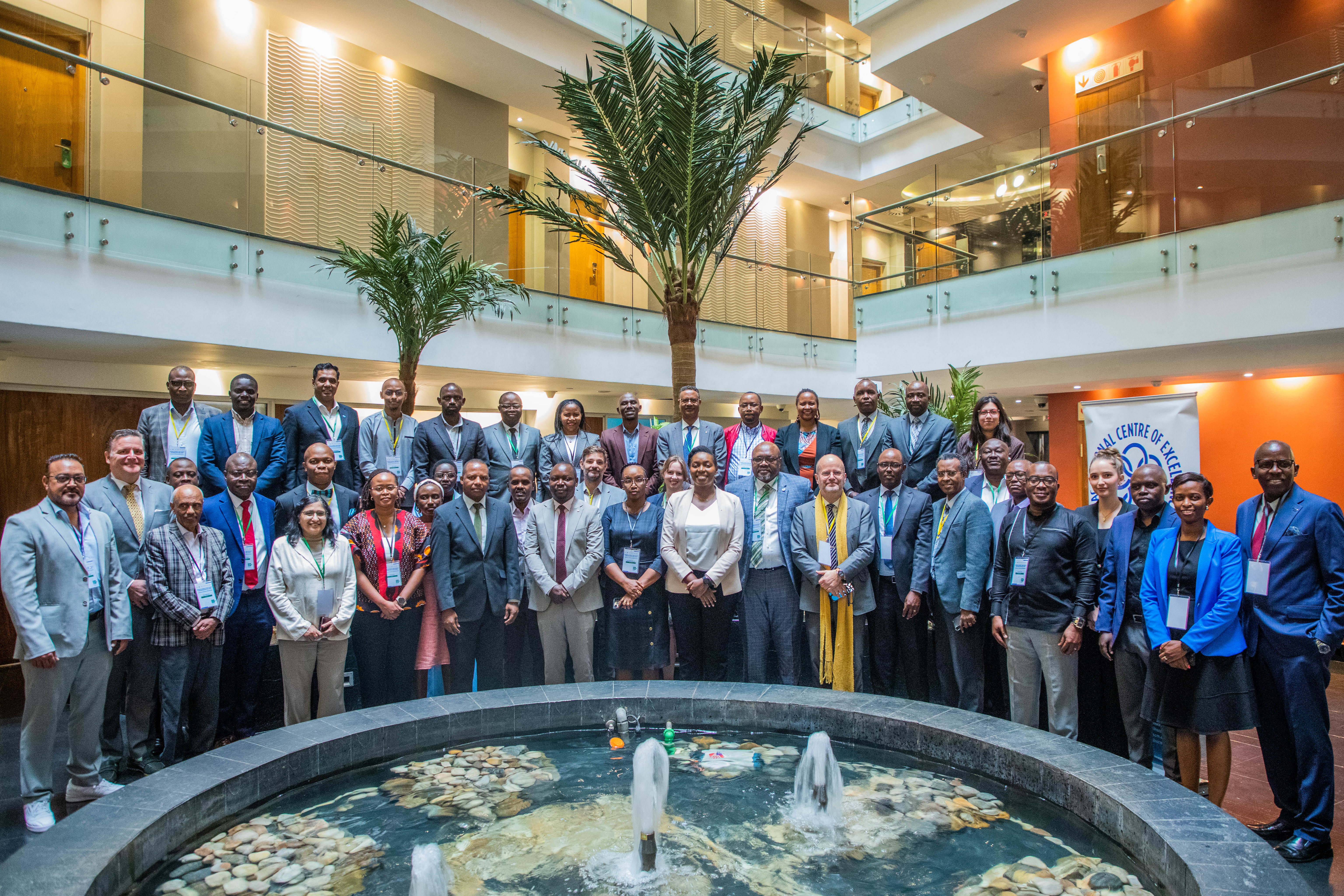
Africa CDC launches East Africa regional capability network to strengthen health workforce and local health product manufacturing
From 25–26 February 2026, leaders from government, academia, industry, and development partners convened in Kigali for the inaugural Regional…
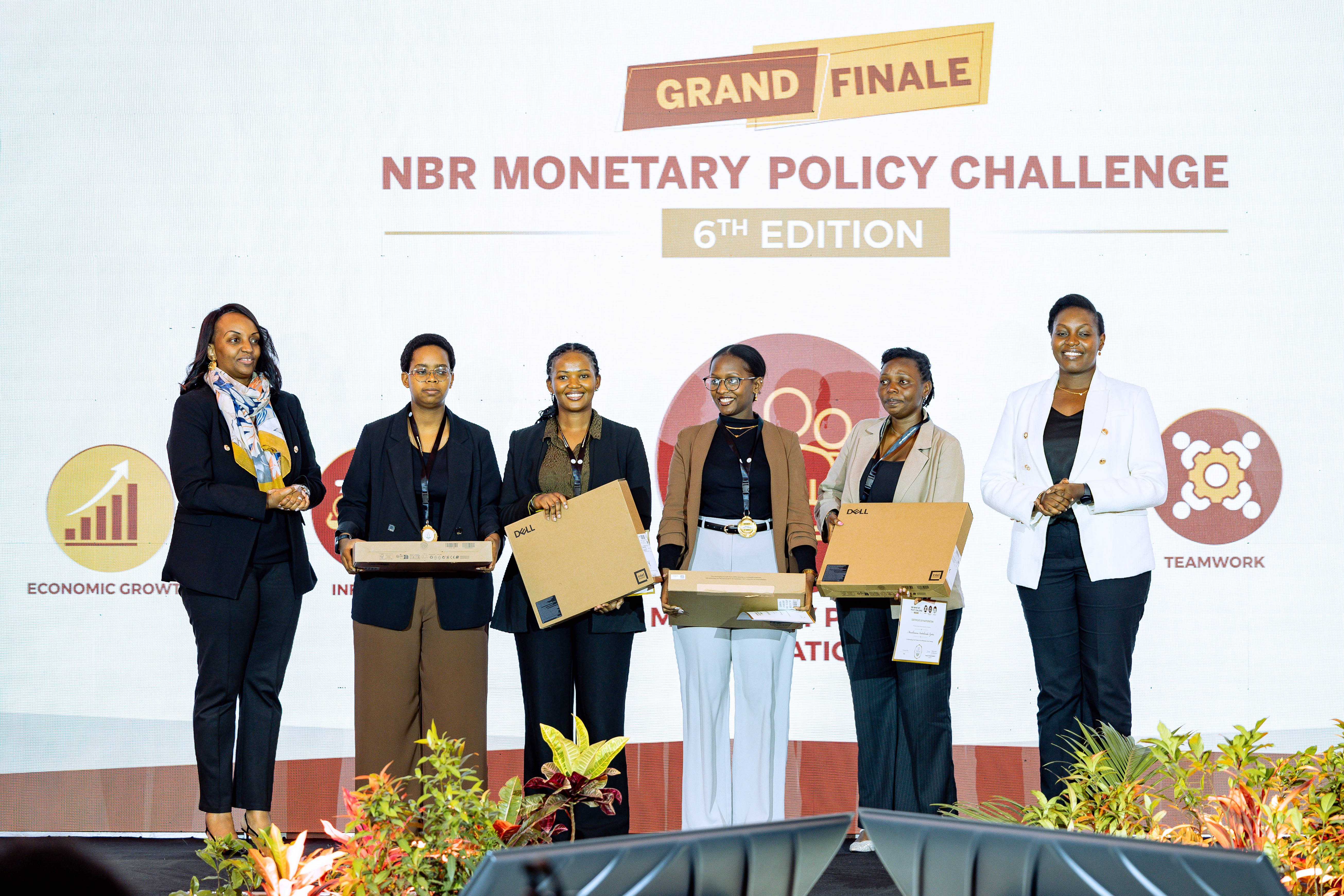
Minister of State for Education, Claudette Irere joins participants at the closing of the Sixth Edition of the Monetary Policy Challenge
Minister of State for Education, Claudette Irere joins participants at the closing of the Sixth Edition of the Monetary Policy Challenge, celebrating…
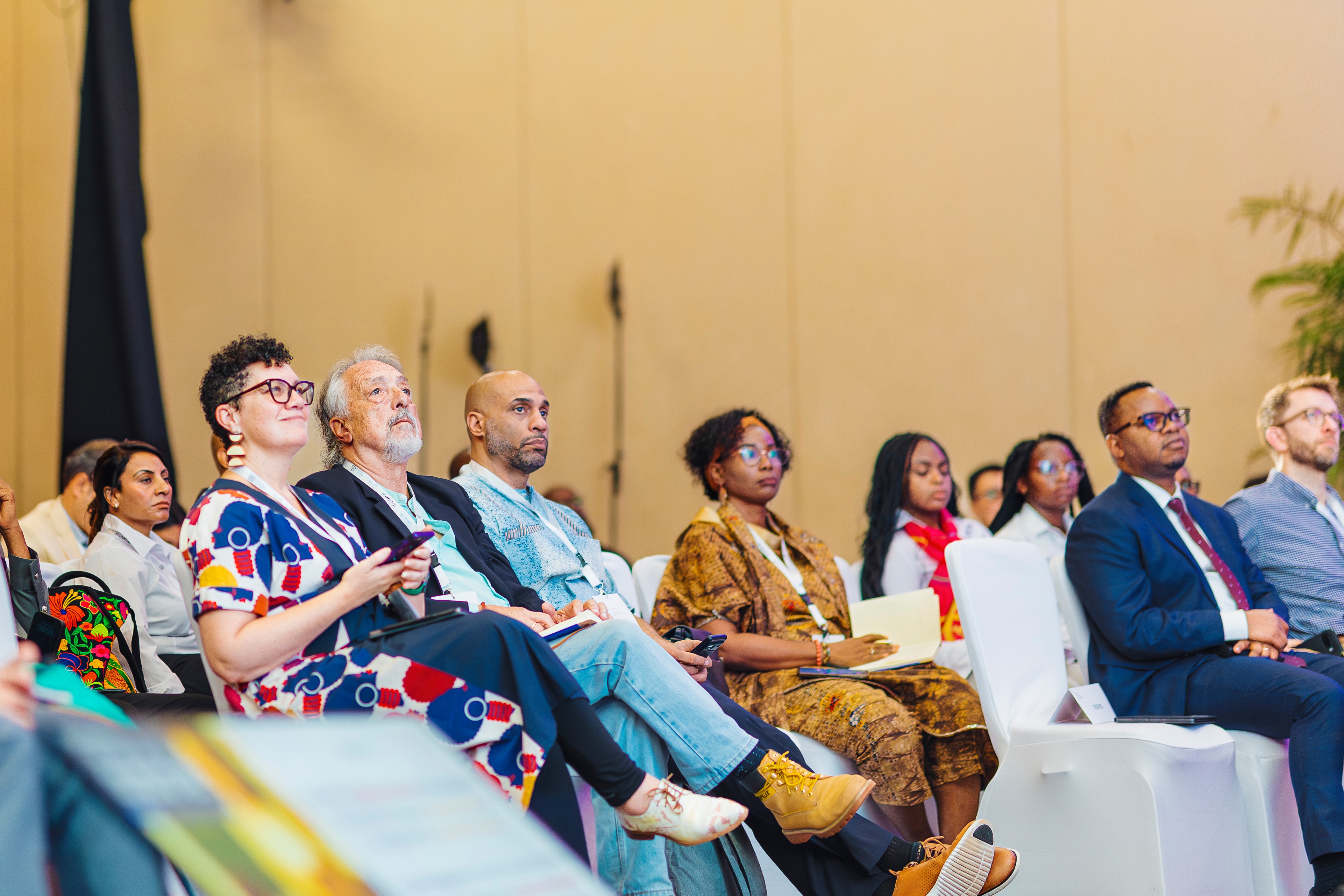
GLOBAL CONFERENCE IN RWANDA FOCUSES ON EDUCATION, HEALTH, AND SUSTAINABLE LEARNING
From 19–21 February 2026, Rwanda hosted the Global Learning Conference in Africa, bringing together educators, policymakers, thought leaders,…
