GLOBAL CONFERENCE IN RWANDA FOCUSES ON EDUCATION, HEALTH, AND SUSTAINABLE LEARNING
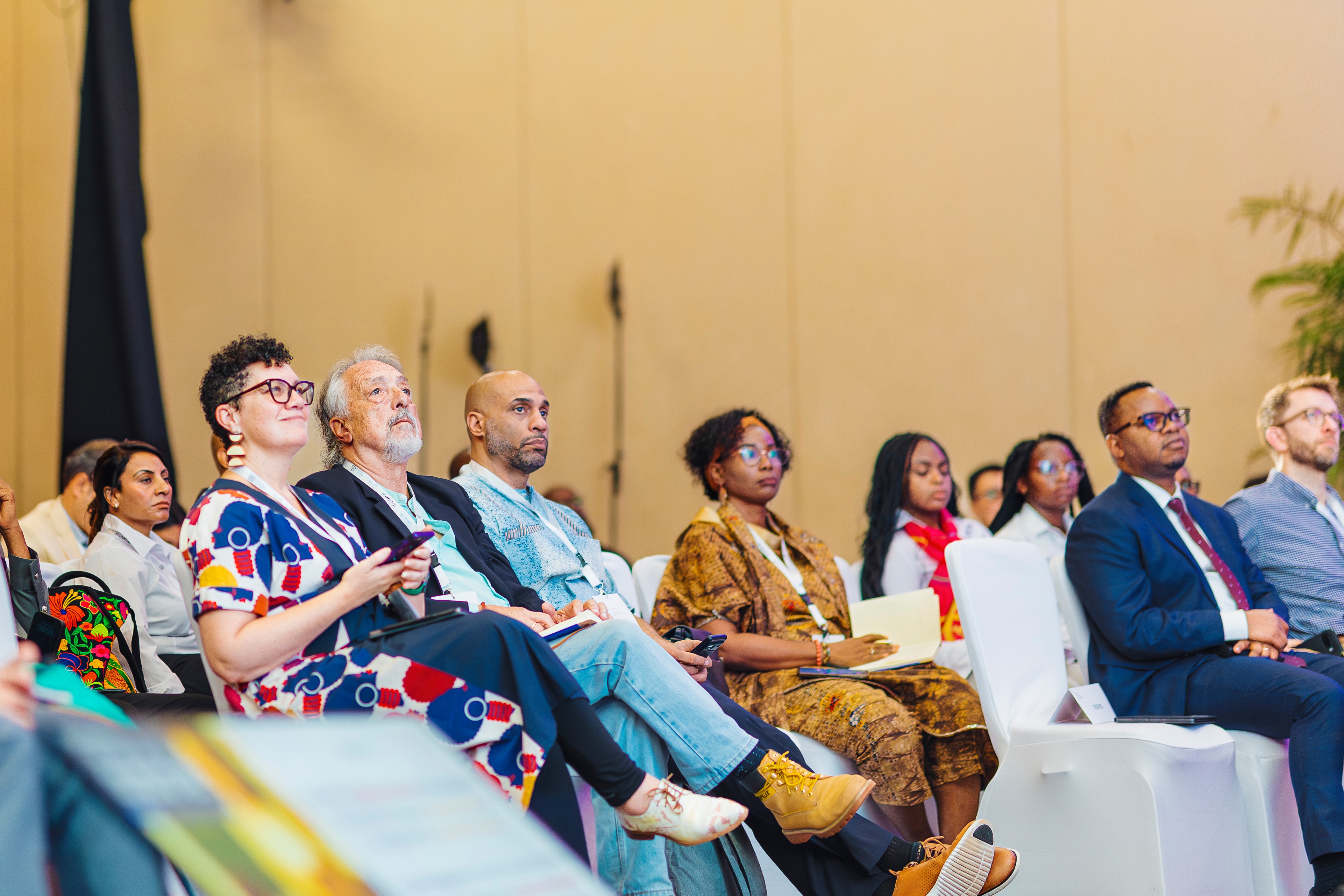
From 19–21 February 2026, Rwanda hosted the Global Learning Conference in Africa, bringing together educators, policymakers, thought leaders, entrepreneurs, and learners from across the continent and beyond to address systemic challenges and shape the future of learning. The conference highlighted the critical links between education, health, environmental management, and sustainability, and explored how these sectors must work together to support resilient and future-ready learning systems.

Opening the conference, Claudette Irere, Minister of State at the Ministry of Education, highlighted the significance of the gathering for Africa and the wider world:
“This conference comes at a pivotal moment for Africa and for the world. Africa is home to the youngest population globally, with over 60 percent under the age of 25. This is not merely a statistic; it is a strategic imperative. It compels us to move beyond expanding access and focus decisively on quality, relevance, and resilience across the learning journey—from foundational education to Technical and Vocational Education and Training (TVET), higher education, and lifelong learning.”
Co-founded by the Global Learning Council, the Villars Institute, and the United Nations Institute for Training and Research, and co-hosted in 2026 by Rwanda’s Ministry of Education, the conference convened global and African leaders to explore practical pathways for transforming learning systems and delivering impact at scale.
Looking ahead, projections suggest that by 2030, as many as 825 million young people could lack the competencies needed to secure employment or participate fully in society. This widening gap is being intensified by the rapid advancement of artificial intelligence, shifting labour markets, and environmental pressures—particularly in countries with fast-growing youth populations. Discussions throughout the conference focused on the capabilities required for success in evolving economies and how education and training systems can adapt to prepare learners at scale.
Advancing system-wide transformation in education
Minister of Education Joseph Nsengimana joined the final high-level session titled Transforming Education and Learning Systems at Scale, which examined the policies, partnerships, and financing strategies needed to unlock innovation and drive lasting reform.
Moderated by Emma Benameur of the Villars Institute, the session brought together global experts, including Jemilah Mahmood of the Centre for Planetary Health at Sunway University, RCM Reddy of Schoolnet India Limited, and Peter Schlosser of Arizona State University, to explore practical approaches to strengthening education systems and expanding opportunities for learners.
Minister Nsengimana emphasized the urgency of bold, system-wide transformation and the promise of artificial intelligence in enabling more personalized learning.
“We must reimagine education—boldly, not incrementally. Transforming our systems will take courage, but it is necessary. For the first time, we have the tools to make truly individualized learning possible, especially through AI. What matters now is how we choose to use these tools. It cannot be business as usual; we must think differently, act decisively, and design learning for every learner. That is what keeps me awake at night.”
Health and nutrition as foundations for learning
The conference also spotlighted the vital connection between health and education. Dr. Yvan Butera, Minister of State at the Ministry of Health, joined a session focused on advancing health and nutrition as foundations for learning.
Panelists emphasized that learning cannot thrive where health is compromised. Across Africa, malnutrition, poor eyesight, limited access to healthcare, and climate-related shocks continue to disrupt school attendance and learning outcomes. The discussion called for stronger collaboration between health and education systems to ensure every child can learn and succeed.
Other panelists included Andrea Bagnoli, Rose Baguma, Anna Celner, Philip Cotton, DSN Murthy, and Michael Seo.

From dialogue to action
The Global Learning Conference 2026 in Africa officially closed with a renewed call for collective action. The Minister of Education emphasized that the gathering was not only a moment of reflection, but a catalyst for concrete change.
“From reflections on AI fluency and future-ready skills to conversations on health, connectivity, financing, and the green transition, the Global Learning Conference 2026 reaffirmed that transforming education requires collective action. The discussions were practical, grounded, and focused on the real challenges facing learners and educators today. Rwanda believes that education is the foundation of national transformation. As we navigate rapid technological change and global uncertainty, we remain committed to building resilient, inclusive, and future-ready learning systems that empower every child and young person to thrive.”
Momentum from the conference continued immediately with the National Robotics Competition, the FIRST LEGO League 2026, and the National AI Ideathon 2026—platforms designed to translate ideas into innovation and empower learners to shape the future.
Winning teams in the FIRST LEGO League were:
- Hope Haven Christian Secondary School
- Maranyundo Girls School
- ES Stella Matutina
Top projects in the National AI Ideathon were:
- Aquaflow – Rwanda Coding Academy
- Solsense – College de Gisenyi Inyemeramihigo
- Ecoloop – Rwanda Coding Academy
These initiatives reflect Rwanda’s commitment to nurturing innovation, strengthening STEM education, and equipping young people with the skills needed to thrive in a rapidly changing world.
Photos:
To view or download photos from the conference, please visit the link below: https://www.flickr.com/photos/mineduc_rwanda/albums/72177720332181033
Topics
The Ministry of education introduces new reforms to strengthen teaching, learning and student development
The Ministry of Education is introducing a series of reforms designed to improve the quality of education, strengthen the teaching profession and…

MINEDUC–World Bank partnership transforms Rubengera TTC into a modern teacher training hub
A partnership between the Ministry of Education (MINEDUC) and the World Bank has transformed Rubengera Teacher Training College in Karongi District…

Improved Learning Infrastructure Expands Opportunities for Learners in Rubavu
Investments in school infrastructure are helping learners access quality education and pursue their aspirations with greater confidence. At GS Umubano…

MINEDUC through HEC Launches Nationwide Outreach, Urges Universities to Align with National Priorities
The Ministry of Education through Higher Education Council, launches a nationwide outreach program to higher learning institutions (HLIs), aimed at…

University of Rwanda Launches Centre for Genocide and Conflict Studies
University of Rwanda Launches Centre for Genocide and Conflict Studies, the event that brought together government officials, members of parliament,…

SCHOOL FEEDING HAS SIGNIFICANTLY REDUCED SCHOOL DROPOUT
Rwanda, celebrates the national day of school feeding held on March 6, 2026, in Western Province, Rusizi District, Bugarama Sector at Groupe Scolaire…
Africa CDC launches East Africa regional capability network to strengthen health workforce and local health product manufacturing
From 25–26 February 2026, leaders from government, academia, industry, and development partners convened in Kigali for the inaugural Regional…
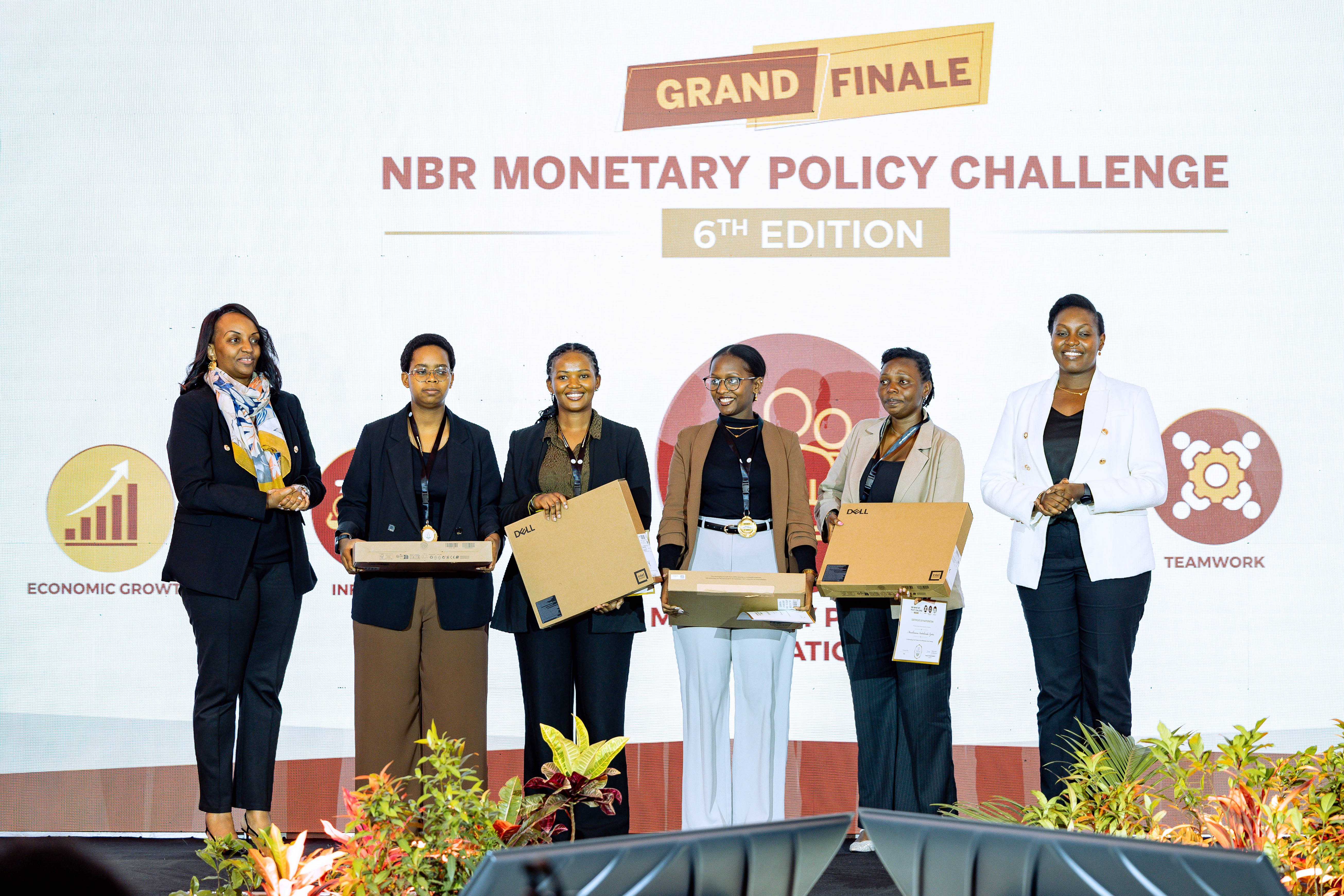
Minister of State for Education, Claudette Irere joins participants at the closing of the Sixth Edition of the Monetary Policy Challenge
Minister of State for Education, Claudette Irere joins participants at the closing of the Sixth Edition of the Monetary Policy Challenge, celebrating…
GLOBAL CONFERENCE IN RWANDA FOCUSES ON EDUCATION, HEALTH, AND SUSTAINABLE LEARNING
From 19–21 February 2026, Rwanda hosted the Global Learning Conference in Africa, bringing together educators, policymakers, thought leaders,…
