Government Reaffirms Stronger Commitments to Inclusive Education at the 2nd National Dialogue on Special Needs and Inclusive Education

The Government of Rwanda has reaffirmed its commitment to strengthening inclusive and learner-centered education during the 2nd National Dialogue on Special Needs and Inclusive Education, held at Kigali Convention center.
First convened in 2024, the National Dialogue was created to provide a dedicated platform where government institutions, teachers, parents’ associations, Organization of Persons with Disabilities (OPDs), development partners, district officials, and learners could jointly examine barriers faced by children with special needs. Since the 1st Dialogue, progress has been made in expanding assistive devices, training special needs teachers, and improving data on children with disabilities. However, participants noted that more coordinated action is still needed.

The 2025 edition brought together a broad group of stakeholders, each contributing practical insights.Teachers highlighted the need for more classroom-based training on adaptive teaching methods.Parents’ associations raised concerns about early identification and the cost of assistive devices.OPDs called for greater accessibility in school infrastructure and stronger community engagement. District officials shared progress on inclusive school models and asked for strengthened monitoring tools. Learners with disabilities expressed the importance of being heard in decisions affecting them.

Speaking at the Dialogue, the Minister of Education, Joseph Nsengimana, reaffirmed the country’s direction:
“Our vision is clear: a Rwanda where every child learns, participates, and thrives. Inclusive education is not charity — it is a fundamental right and a long-term investment in our nation’s future.”
A key outcome of this year’s Dialogue was the Government’s commitment to scale up inclusive education efforts through three priority actions:
1.Expanding teacher training in inclusive and adaptive learning approaches across all districts.
2.Developing a national accessibility framework for schools to guide infrastructure upgrades.
3.Strengthening early screening and data systems to ensure learners with disabilities are identified and supported earlier.
The Dialogue concluded with stakeholders agreeing to a joint action road-map that will guide implementation under the Education Sector Strategic Plan (ESSP) 2024–2029, ensuring that insights from this year’s discussions translate into practical, measurable improvements on the ground.
The National Dialogue remains a cornerstone of Rwanda’s efforts to build an education system where every learner regardless of ability has the opportunity to succeed.
Topics
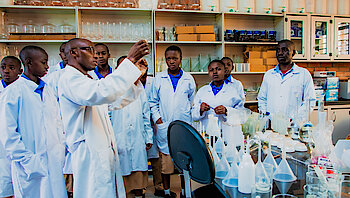
The Ministry of education introduces new reforms to strengthen teaching, learning and student development
The Ministry of Education is introducing a series of reforms designed to improve the quality of education, strengthen the teaching profession and…

MINEDUC–World Bank partnership transforms Rubengera TTC into a modern teacher training hub
A partnership between the Ministry of Education (MINEDUC) and the World Bank has transformed Rubengera Teacher Training College in Karongi District…

Improved Learning Infrastructure Expands Opportunities for Learners in Rubavu
Investments in school infrastructure are helping learners access quality education and pursue their aspirations with greater confidence. At GS Umubano…

MINEDUC through HEC Launches Nationwide Outreach, Urges Universities to Align with National Priorities
The Ministry of Education through Higher Education Council, launches a nationwide outreach program to higher learning institutions (HLIs), aimed at…

University of Rwanda Launches Centre for Genocide and Conflict Studies
University of Rwanda Launches Centre for Genocide and Conflict Studies, the event that brought together government officials, members of parliament,…

SCHOOL FEEDING HAS SIGNIFICANTLY REDUCED SCHOOL DROPOUT
Rwanda, celebrates the national day of school feeding held on March 6, 2026, in Western Province, Rusizi District, Bugarama Sector at Groupe Scolaire…
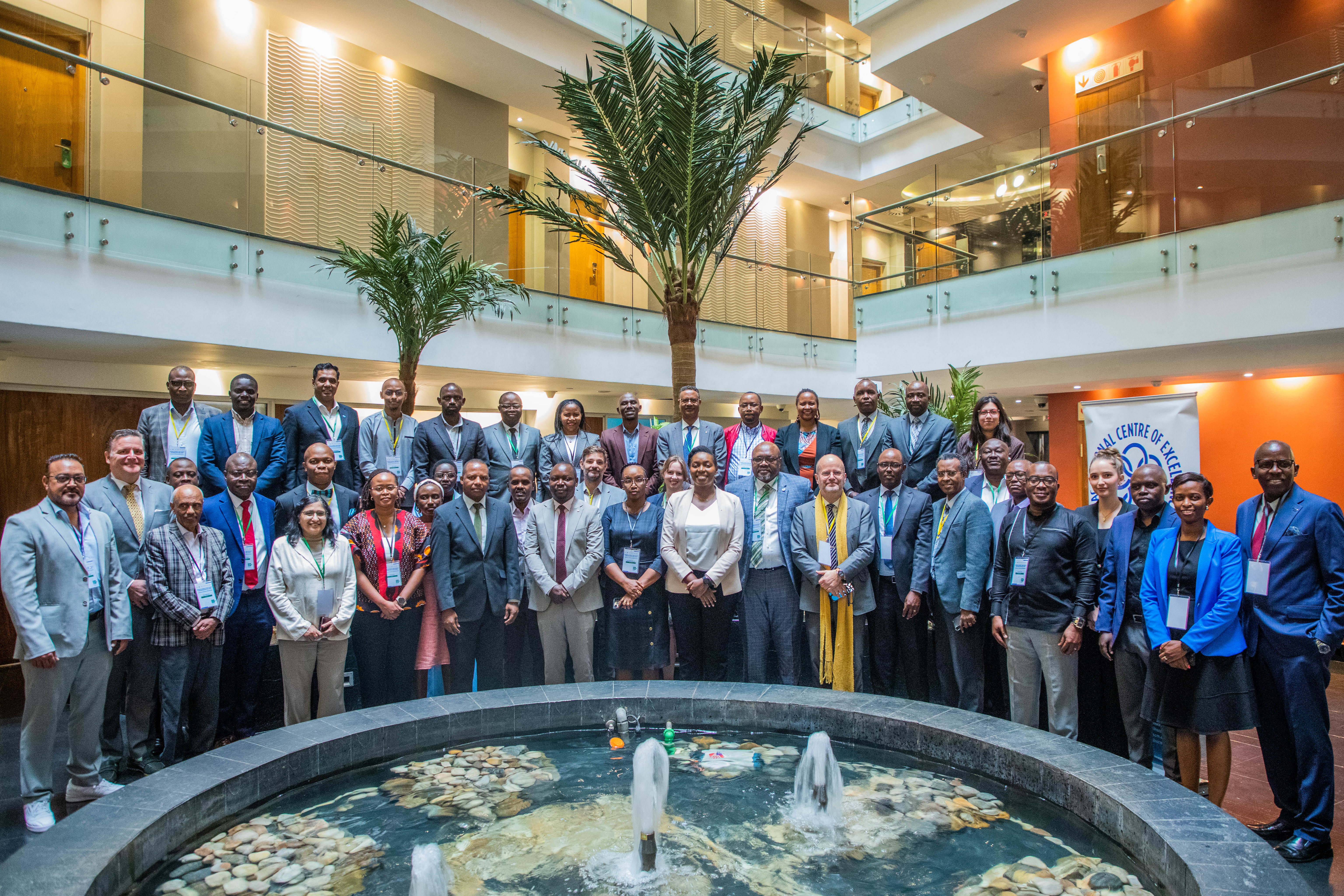
Africa CDC launches East Africa regional capability network to strengthen health workforce and local health product manufacturing
From 25–26 February 2026, leaders from government, academia, industry, and development partners convened in Kigali for the inaugural Regional…
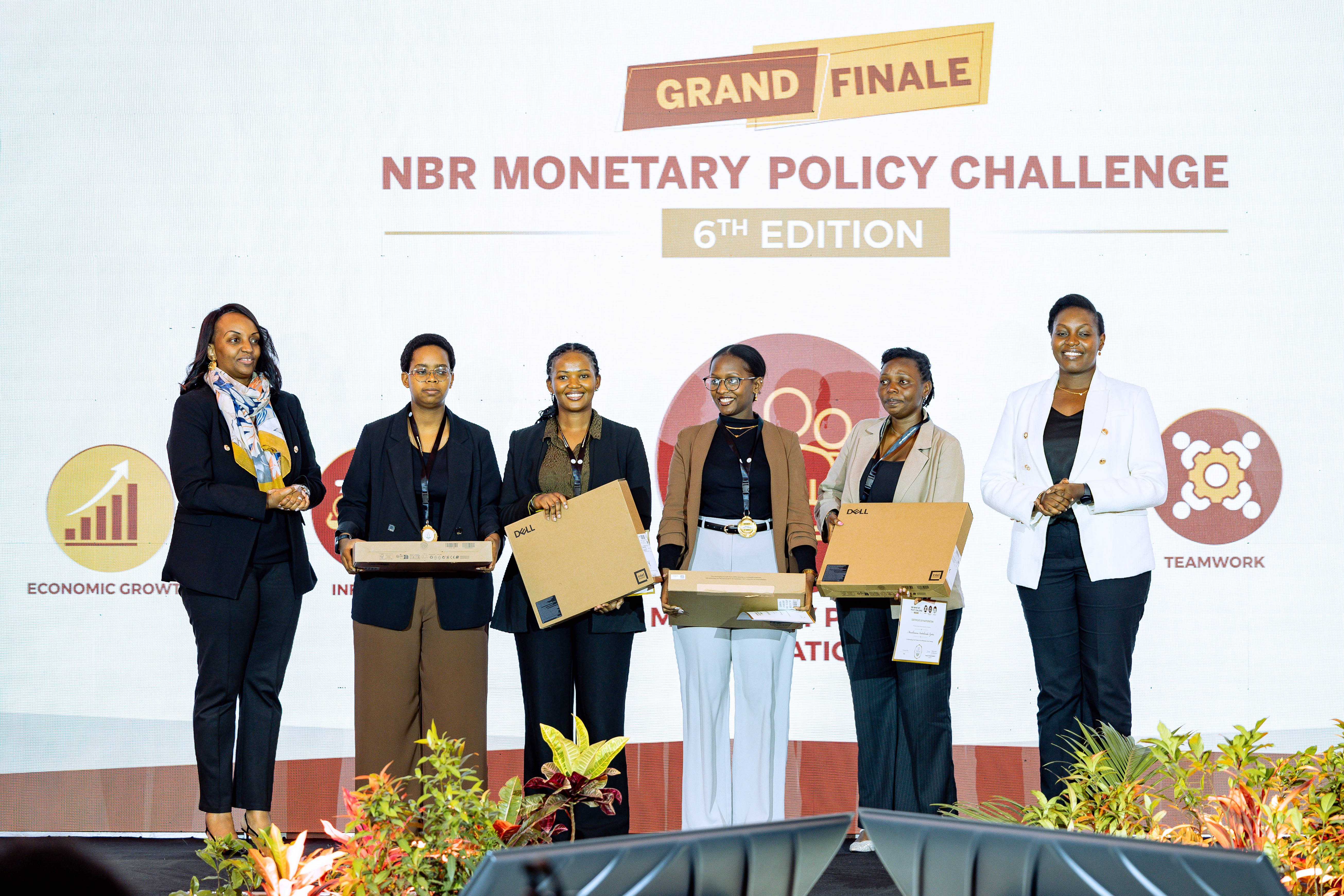
Minister of State for Education, Claudette Irere joins participants at the closing of the Sixth Edition of the Monetary Policy Challenge
Minister of State for Education, Claudette Irere joins participants at the closing of the Sixth Edition of the Monetary Policy Challenge, celebrating…
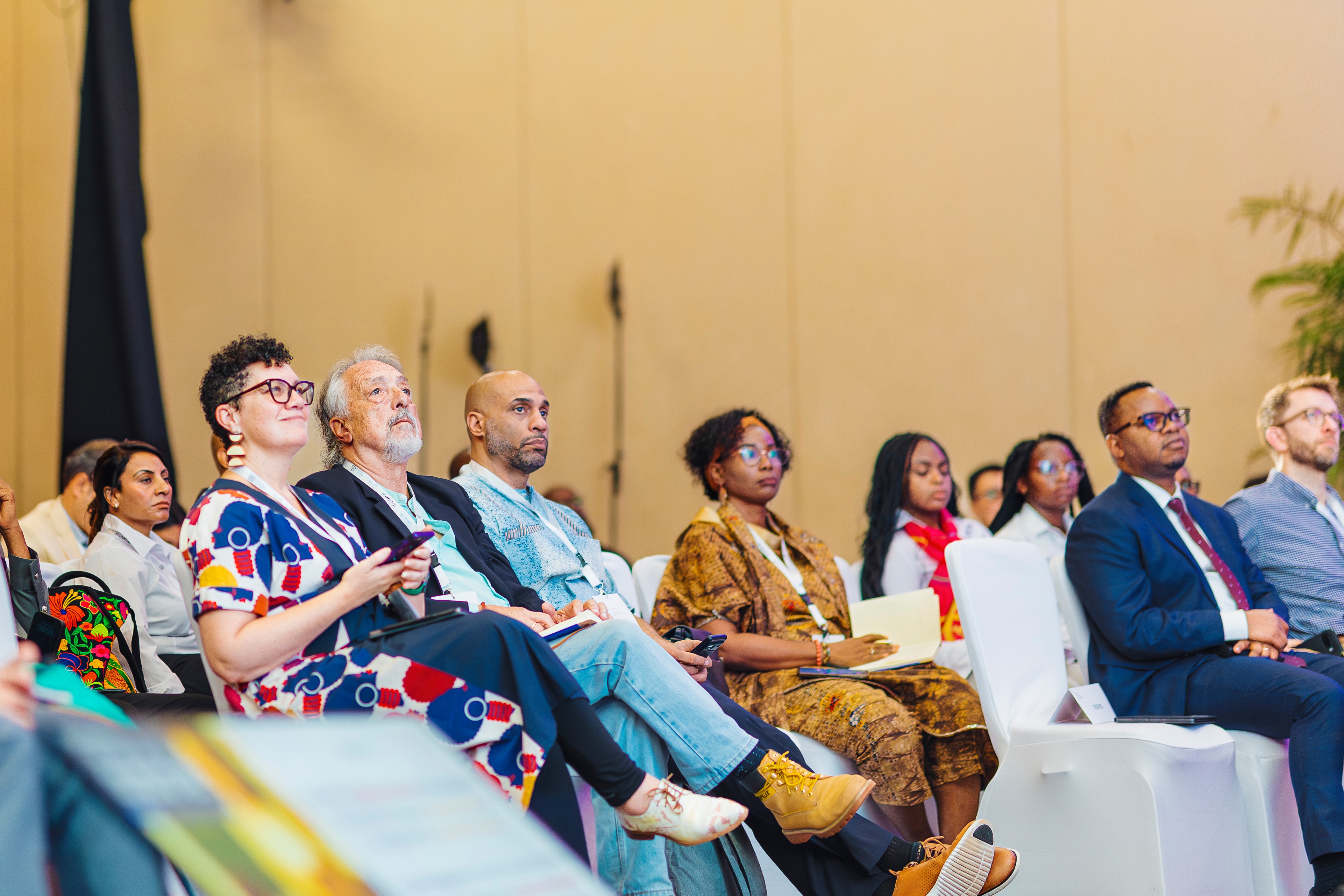
GLOBAL CONFERENCE IN RWANDA FOCUSES ON EDUCATION, HEALTH, AND SUSTAINABLE LEARNING
From 19–21 February 2026, Rwanda hosted the Global Learning Conference in Africa, bringing together educators, policymakers, thought leaders,…
