Africa Has the Power to Harness the Winds of Change

The emergence of the Digital Economy and the Fourth Industrial Revolution are radically transforming the way the world works. Governments and institutions are rapidly converting their public services to digital platforms and entrepreneurs can now access larger markets and capitalize on skills and services from larger networks. This transformation is enabling many new jobs and generating a great demand for digital skills.
By 2050, 525 million people in Sub-Saharan Africa will be under the age of 24. With 11 million youth entering the labor force each year, Sub-Saharan Africa has an enormous opportunity to take advantage of the incredible potential of the digital economy. And to do so, young people in the region must have digital skills, socioemotional skills, and soft skills—precisely those which cannot be automated.
The young people of Africa represent a wealth of talent that is just waiting to be harnessed. Examples can be found everywhere. Venuste Kubwimana, from Gihinga village in Rwanda, created a “water kiosk at school project” which provides clean water for students through a tap water station, re-usable water bottles, and a hand-wash facility made up of an automated drip tap. Henri Nyakarundi, a Rwandan entrepreneur, is now the CEO of a company which developed a business-in-a-box solar kiosk that offers customers phone charging and airtime top-up services, wifi, an intranet with free digital content, and a Bluetooth printer. Or the remarkable William Kamkwamba from Malawi, author of the New York Times bestseller “The Boy Who Harnessed the Wind” who used his wits, some old scrap metal, and the power of books to provide electricity and running water for his village to help them grow crops and end a devastating famine.
To tap into this great potential, Africa needs to prioritize investments in connectivity, digital infrastructure, and more importantly, its young people. Currently, only a fourth of Africans have access to the internet, and the number of technology innovations, even if growing, is small compared to the size of the African population.
On May 20, the 5th PASET Forum will kick off in Kigali, Rwanda under the theme “Destination Digital Africa: Preparing our Youth for the Future.” Since its launch in 2013, PASET (Partnership for Skills in Applied Science, Engineering and Technology) has become a transformative human capital investment initiative that has attracted the attention of businesses, non-profits, and governments from around the world.
PASET focuses on increasing the capacity of universities, research centers, and technical and vocational education and training (TVET) centers to generate knowledge and create skilled workforces, researchers, and innovators most relevant to Africa’s development challenges. PASET aims at developing skilled professionals in applied sciences, engineering, and technology fields to increase the numbers of qualified faculty in African universities and to train young innovators.
Importantly, about 40 percent of the fund’s beneficiaries are expected to be women. Women like Sandra Musujusu from Sierra Leone who, in 2017, came up with a research idea on possible alternative breast cancer treatment while studying at the African University of Science and Technology, Abuja. Her research was sponsored by the Pan African Materials Institute at the African University of Science and Technology, one of the PASET RSIF-partner universities. She is now continuing her research in hopes of developing that treatment.
The 5th PASET Forum provides a platform for policy makers, private sector and technical experts to share experiences, discuss opportunities and risks, and to identify actions necessary to prepare Africa’s youth for a digital future. Necessarily, this includes the content and methods of instruction offered by the tertiary education system, examining how to rapidly extend broadband connectivity to Africa’s universities and technical institutions, and the use of technology to increase access for students. The Forum will also help African governments identify necessary reforms in their higher education systems to create opportunities for innovative research like Musujusu’s, effectively bringing in development partners and the private sector.
We invite African governments, universities, vocational institutions, industry leaders, and development partners to join us as we discuss how to spur the advancement of applied science, technology, engineering, and mathematics education throughout the continent so Africa can seize this incredible opportunity. Just as Venuste Kubwimana, Henri Nyakarundi and William Kamkwamba harnessed water, sun and wind to help their communities, the 5th PASET Forum will harness the energy and enthusiasm of the leading voices in education to help all Africans reap the benefits of the Digital Economy.
Co-Authors:
Dr. Eugene MUTIMURA, Minister of Education of the Republic of Rwanda
Jaime Saavedra, Senior Director, Education Global Practice of the World Bank
Topics
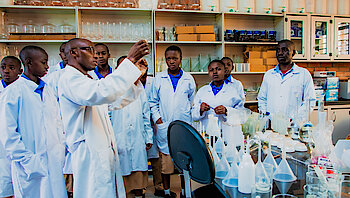
The Ministry of education introduces new reforms to strengthen teaching, learning and student development
The Ministry of Education is introducing a series of reforms designed to improve the quality of education, strengthen the teaching profession and…

MINEDUC–World Bank partnership transforms Rubengera TTC into a modern teacher training hub
A partnership between the Ministry of Education (MINEDUC) and the World Bank has transformed Rubengera Teacher Training College in Karongi District…

Improved Learning Infrastructure Expands Opportunities for Learners in Rubavu
Investments in school infrastructure are helping learners access quality education and pursue their aspirations with greater confidence. At GS Umubano…

MINEDUC through HEC Launches Nationwide Outreach, Urges Universities to Align with National Priorities
The Ministry of Education through Higher Education Council, launches a nationwide outreach program to higher learning institutions (HLIs), aimed at…

University of Rwanda Launches Centre for Genocide and Conflict Studies
University of Rwanda Launches Centre for Genocide and Conflict Studies, the event that brought together government officials, members of parliament,…

SCHOOL FEEDING HAS SIGNIFICANTLY REDUCED SCHOOL DROPOUT
Rwanda, celebrates the national day of school feeding held on March 6, 2026, in Western Province, Rusizi District, Bugarama Sector at Groupe Scolaire…
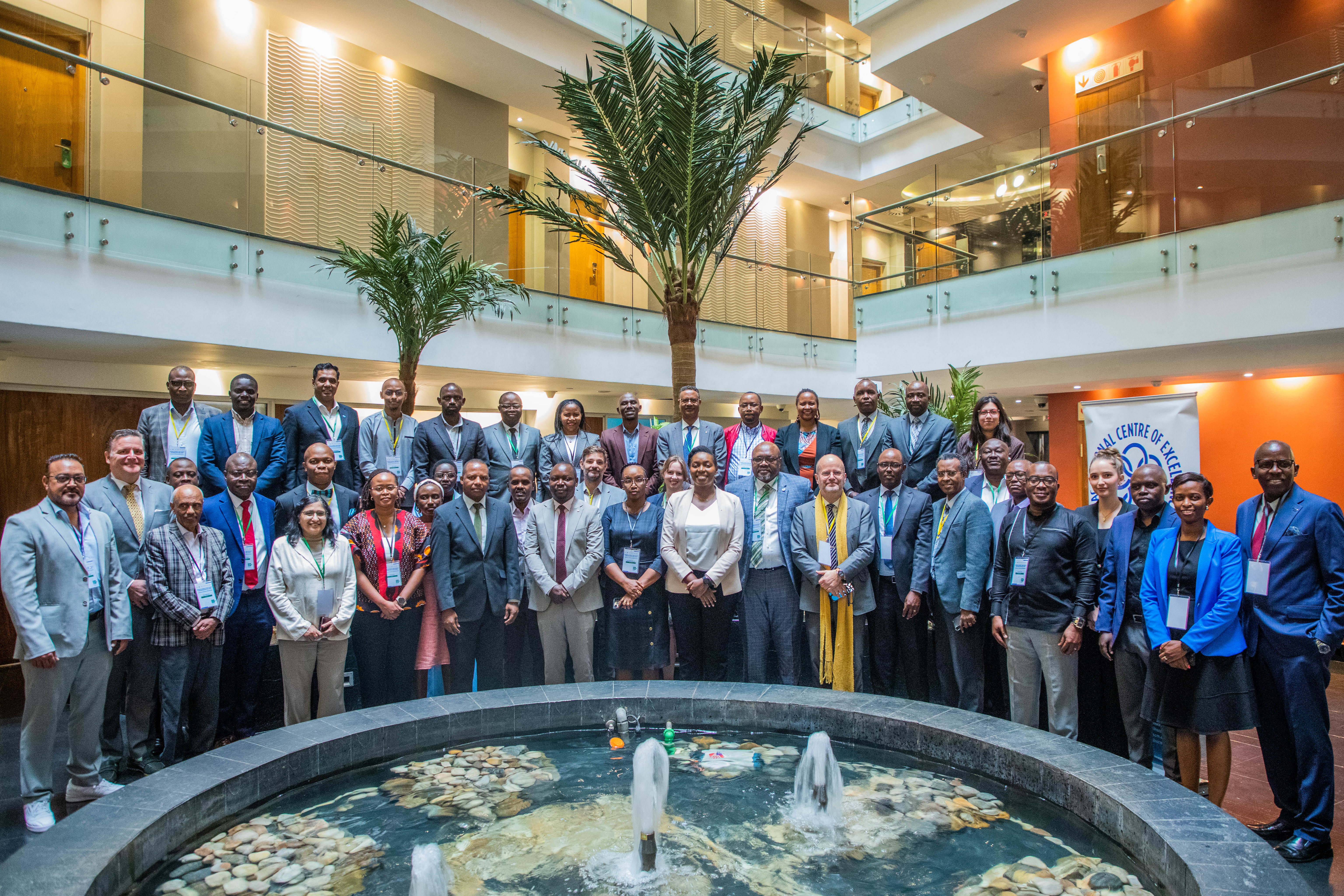
Africa CDC launches East Africa regional capability network to strengthen health workforce and local health product manufacturing
From 25–26 February 2026, leaders from government, academia, industry, and development partners convened in Kigali for the inaugural Regional…
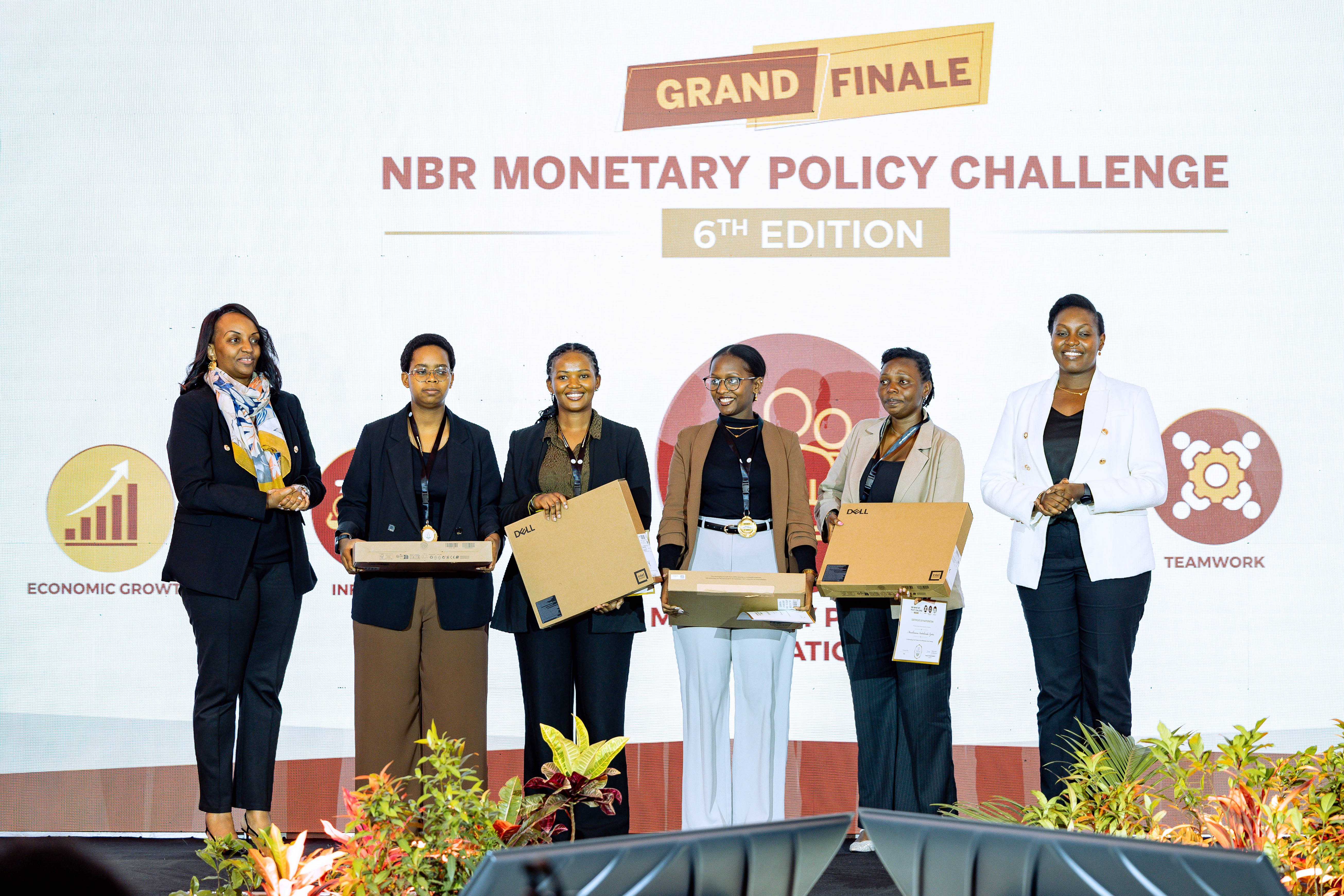
Minister of State for Education, Claudette Irere joins participants at the closing of the Sixth Edition of the Monetary Policy Challenge
Minister of State for Education, Claudette Irere joins participants at the closing of the Sixth Edition of the Monetary Policy Challenge, celebrating…
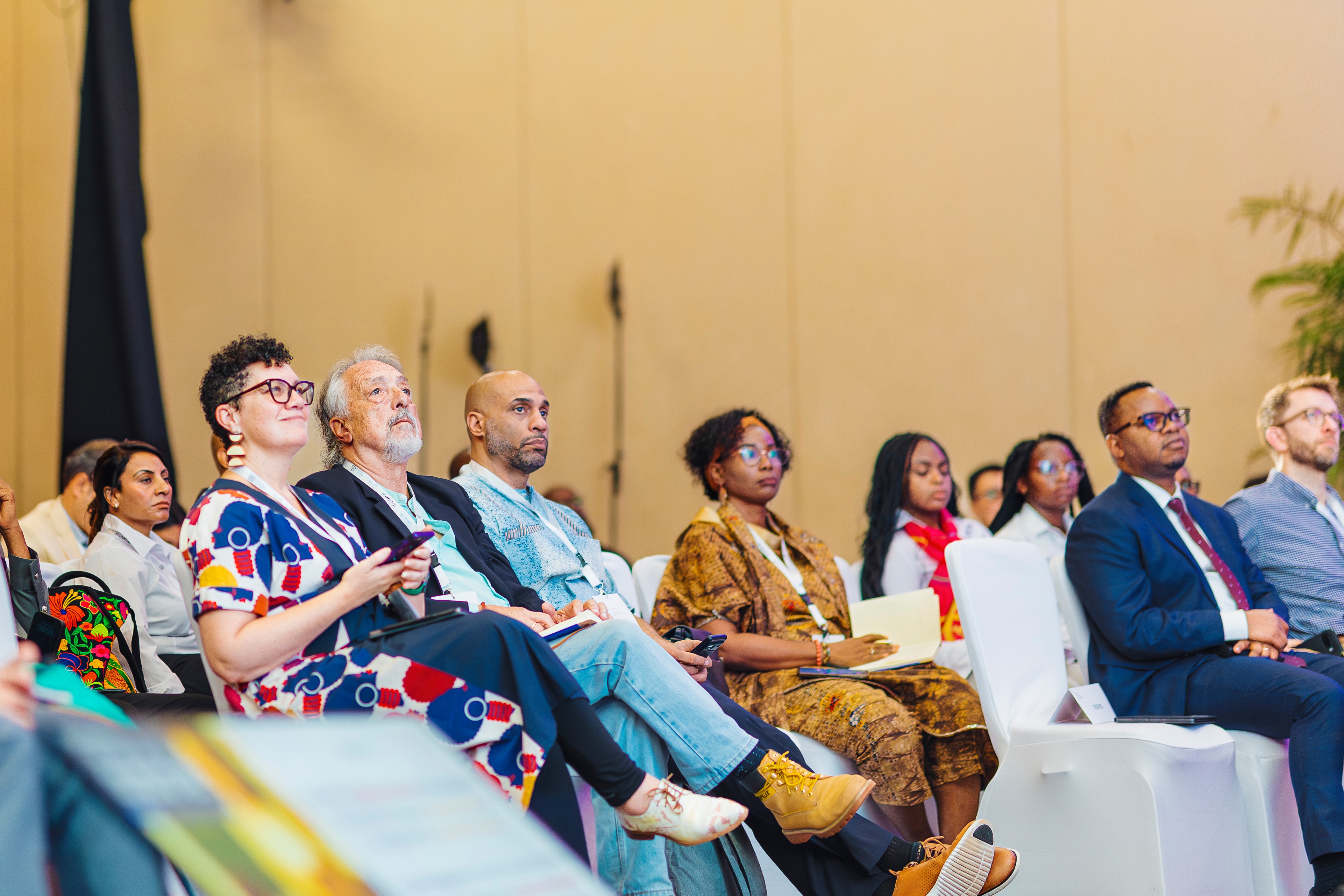
GLOBAL CONFERENCE IN RWANDA FOCUSES ON EDUCATION, HEALTH, AND SUSTAINABLE LEARNING
From 19–21 February 2026, Rwanda hosted the Global Learning Conference in Africa, bringing together educators, policymakers, thought leaders,…
