African leaders commit to the decade of education to end learning poverty

From November 11 to 13, the Government of Rwanda through the Ministry of Education of Rwanda hosted the 2024 Africa Foundational Learning Exchange (FLEX 2024). Bringing together over 540 global African leaders and stakeholders from 34 countries, participants exchanged on the continent’s urgent learning crisis in foundation learning and to find a solution to it. The event culminated in a strong commitment to the African Union’s Decade of Education initiative, aiming to eliminate learning poverty by 2035.
In her keynote address, Rwanda’s First Lady, H.E. Mrs. Jeannette Kagame, underscored the need to strengthen foundational learning, increase primary school completion rates, and prioritize support for vulnerable learners. She called for urgent action to ensure no child is left behind.
“Reading and comprehension of simple texts is still an issue for 9 out of 10 children aged 10 and below in the majority of African countries. What a loud alarm bell this statistic rings! Should we fail to strengthen foundational learning and critical thinking, increase primary education completion rates, and allocate more resources to education—specifically to vulnerable learners—what will be the long-term cost to the youth of this continent, their skills development, employability, and social welfare?”

Rwanda’s Minister of Education, Joseph Nsegimana, emphasized the country's unwavering commitment to building a strong educational foundation, recognizing its pivotal role in student success.
“The Foundational Learning Exchange aligns perfectly with our vision for education in Rwanda: to ensure equitable access to quality education for every child. By bringing together representatives from across the continent, we can share knowledge, track progress on foundational learning outcomes, and foster collaborative engagement.”
At the end the three days, participants countries agreed to speeding up the following actions as a measure to enhancing foundation learning across the continent.
- Eradicating Learning Poverty by 2035 through targeted investments and measurable progress.
- Fully Supporting the Decade of Education initiative to drive long-term reforms.
- Enhancing Regional Collaboration to share best practices and foster innovation.
- Scaling Proven Interventions to improve foundational learning outcomes.
- Establishing Robust Data Systems for accountability and informed decision-making.
This foundational learning gap threatens both economic and social stability, with potential losses of up to $17 trillion globally if no action is taken. However, leaders expressed optimism, recognizing the initiative’s potential to contribute $6.5 trillion in economic value by 2030 if executed successfully.
In addition African governments that participated, this event was organised in tandem with and key development partners, including the World Bank, UNICEF, USAID, and UNESCO, in a united effort to end learning poverty.
END.
Topics
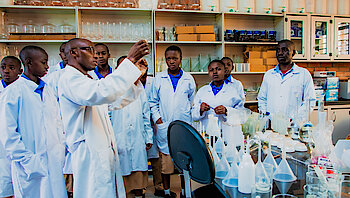
The Ministry of education introduces new reforms to strengthen teaching, learning and student development
The Ministry of Education is introducing a series of reforms designed to improve the quality of education, strengthen the teaching profession and…

MINEDUC–World Bank partnership transforms Rubengera TTC into a modern teacher training hub
A partnership between the Ministry of Education (MINEDUC) and the World Bank has transformed Rubengera Teacher Training College in Karongi District…

Improved Learning Infrastructure Expands Opportunities for Learners in Rubavu
Investments in school infrastructure are helping learners access quality education and pursue their aspirations with greater confidence. At GS Umubano…

MINEDUC through HEC Launches Nationwide Outreach, Urges Universities to Align with National Priorities
The Ministry of Education through Higher Education Council, launches a nationwide outreach program to higher learning institutions (HLIs), aimed at…

University of Rwanda Launches Centre for Genocide and Conflict Studies
University of Rwanda Launches Centre for Genocide and Conflict Studies, the event that brought together government officials, members of parliament,…

SCHOOL FEEDING HAS SIGNIFICANTLY REDUCED SCHOOL DROPOUT
Rwanda, celebrates the national day of school feeding held on March 6, 2026, in Western Province, Rusizi District, Bugarama Sector at Groupe Scolaire…
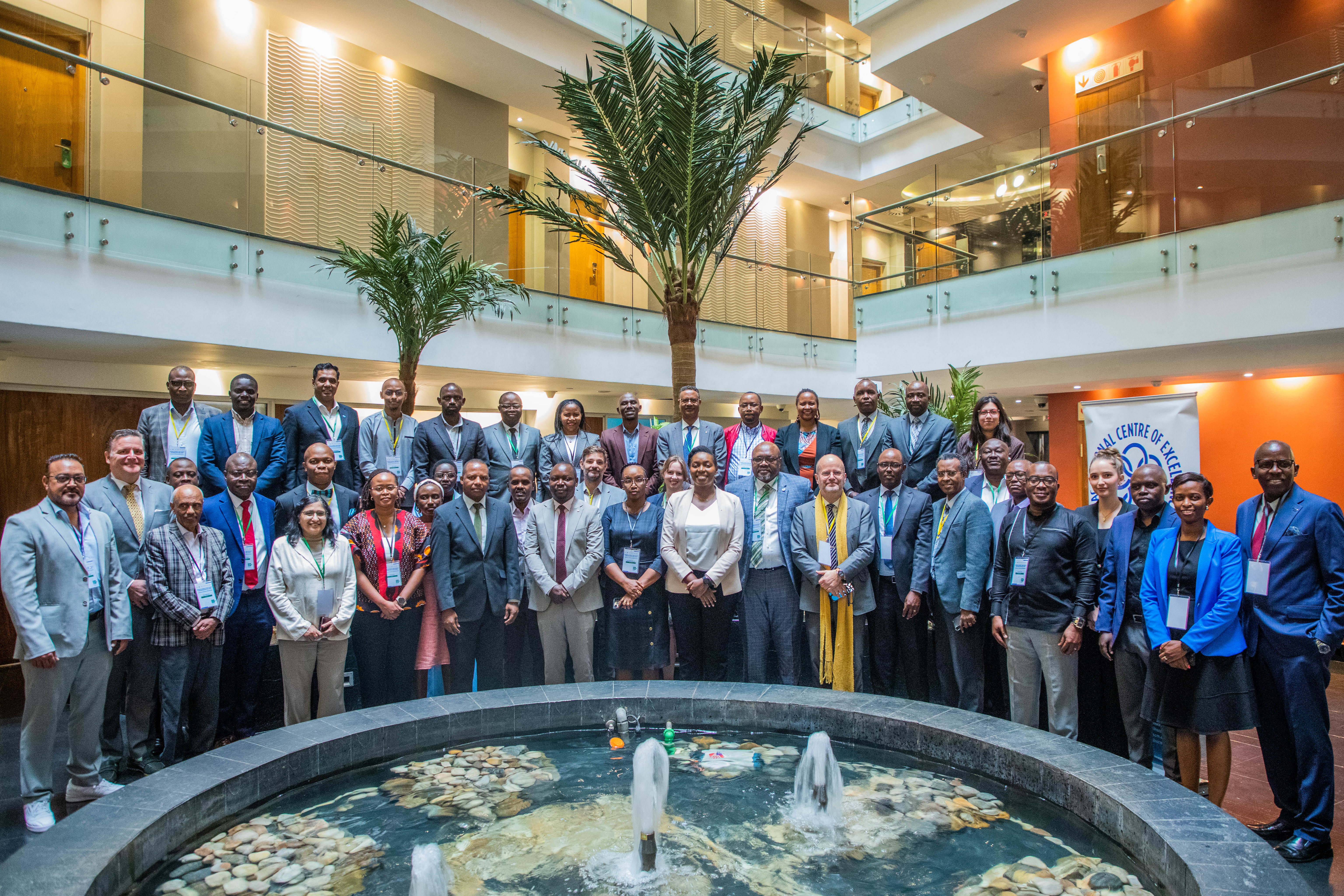
Africa CDC launches East Africa regional capability network to strengthen health workforce and local health product manufacturing
From 25–26 February 2026, leaders from government, academia, industry, and development partners convened in Kigali for the inaugural Regional…
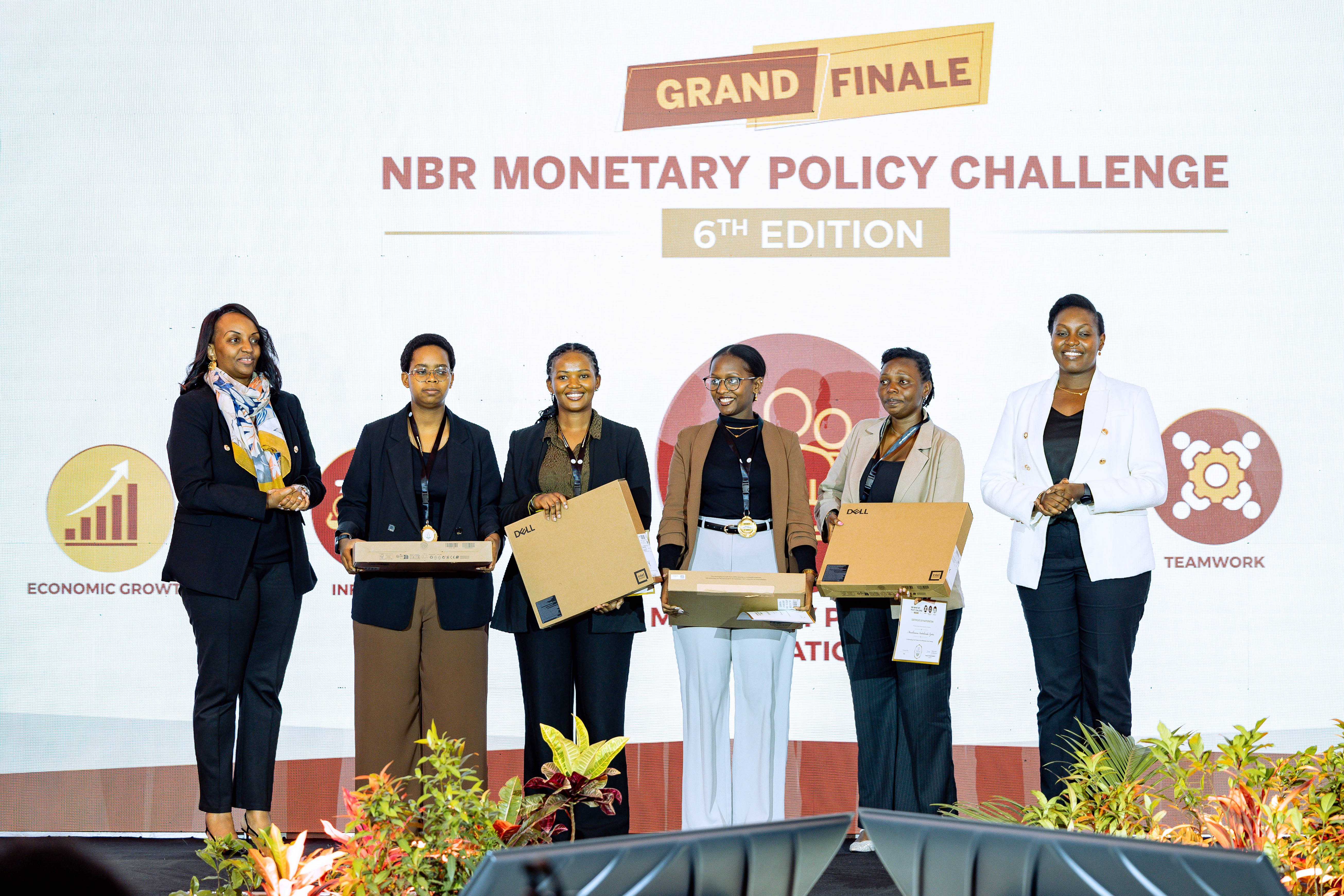
Minister of State for Education, Claudette Irere joins participants at the closing of the Sixth Edition of the Monetary Policy Challenge
Minister of State for Education, Claudette Irere joins participants at the closing of the Sixth Edition of the Monetary Policy Challenge, celebrating…
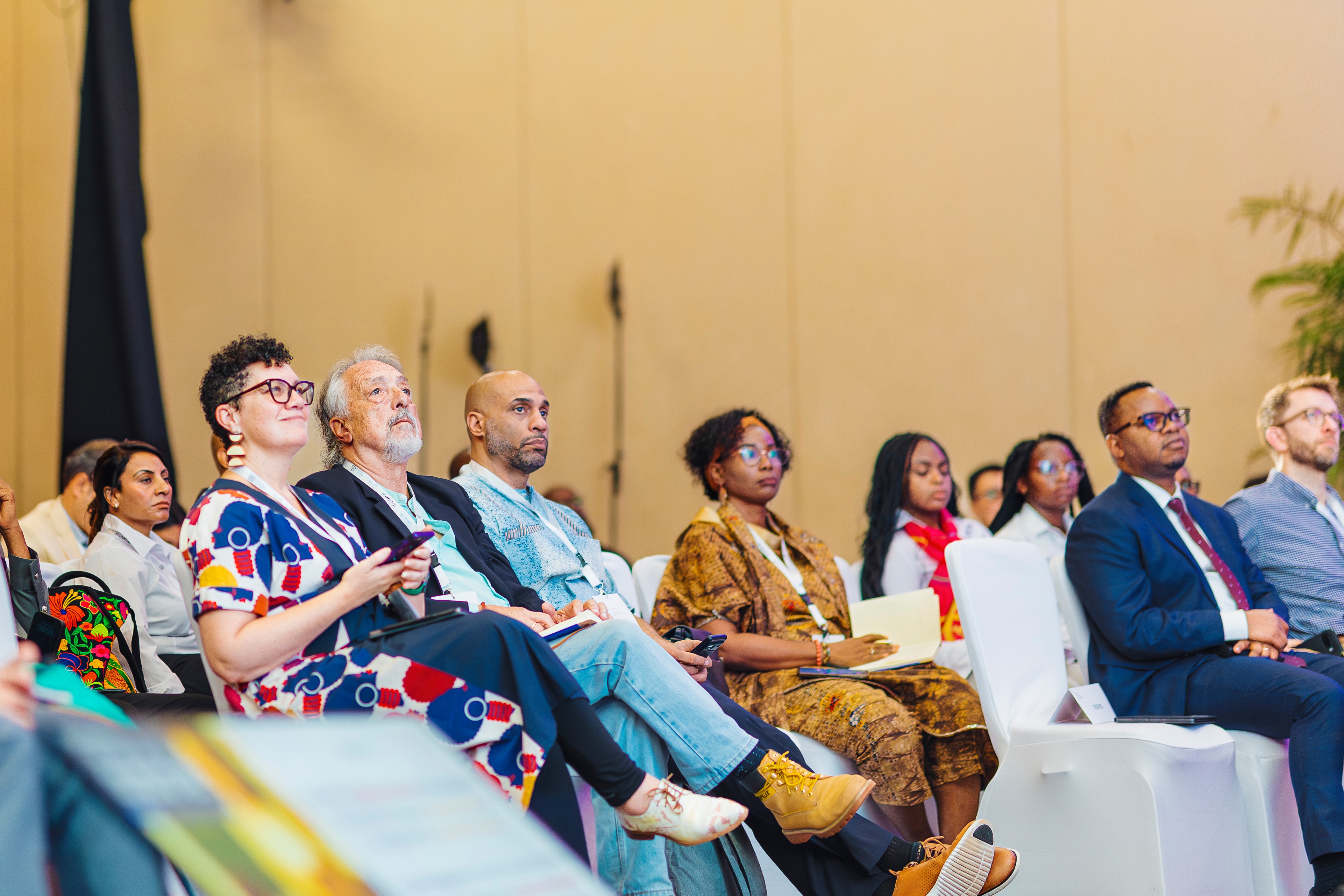
GLOBAL CONFERENCE IN RWANDA FOCUSES ON EDUCATION, HEALTH, AND SUSTAINABLE LEARNING
From 19–21 February 2026, Rwanda hosted the Global Learning Conference in Africa, bringing together educators, policymakers, thought leaders,…
