Consultative Meeting with Head Teachers on the Implementation of New Educational Reforms.


On July 12–13, the Ministry of Education, through the Rwanda Basic Education Board (REB), convened a high-level consultative meeting with head teachers from all secondary schools across the country. The purpose of the meeting was to build consensus and gather insights on the implementation of a new wave of educational reforms aimed at improving learning outcomes and aligning Rwanda’s education system with national development goals.
Key Focus: Restructuring Upper Secondary Education
At the center of the discussions was the restructuring of upper secondary education through the introduction of new academic pathways, replacing the existing subject combination model. These reforms aim to offer students broader and more relevant learning options while addressing challenges identified in a recent evaluation of the Competency-Based Curriculum (CBC).
Proposed New Learning Pathways
The revised academic structure introduces three major pathways for general education:
1. Mathematics and Sciences
Stream 1: Mathematics, Physics, Chemistry, and Biology — geared toward careers in medicine, engineering, agriculture, and technology.
Stream 2: Mathematics, Economics, Geography, and Physics — designed for students pursuing careers in business and economics, logistics and transport, finance, statistics, GIS, data science, environmental planning, urban design, and related fields.
2. Arts and Humanities: Includes History, Geography, Literature, and Psychology — preparing students for careers in education, law, governance, and the social sciences.
3. Languages: Comprises English, French, Kinyarwanda, and Kiswahili — opening pathways to careers in journalism, diplomacy, translation, tourism, and more.
Addressing Instructional Time Gaps in Lower Primary
A critical concern raised during the meeting was the gap between curriculum expectations and actual instructional time in lower primary schools. Currently, 52% of public and government-aided schools operate under a double-shift system, offering only five periods per day (25 periods per week), compared to the 40-period week required by the single-shift curriculum.
This mismatch has made it challenging for teachers to deliver the full curriculum, contributing to poor learning outcomes and high repetition rates. However, educational research indicates that 3 to 4 hours of quality instruction per day can be sufficient for young learners, highlighting the need to better align curriculum content with available teaching time.
The Government of Rwanda remains committed to building an inclusive, flexible, and competency-based education system. The consultative forum provided school leaders with a platform to share feedback, voice concerns, and co-develop practical solutions to support smooth implementation of the reforms.
“The voices of educators are essential in making these reforms work on the ground,” REB officials emphasized. “Our goal is to ensure that every learner in Rwanda receives a quality education that prepares them for the demands of the 21st century.”
As implementation progresses, the Ministry of Education and REB will continue engaging stakeholders, monitoring progress, offering support, and refining strategies as needed.
Topics
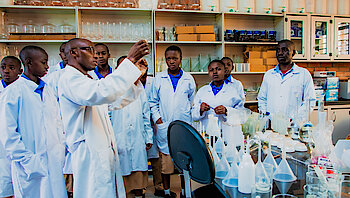
The Ministry of education introduces new reforms to strengthen teaching, learning and student development
The Ministry of Education is introducing a series of reforms designed to improve the quality of education, strengthen the teaching profession and…

MINEDUC–World Bank partnership transforms Rubengera TTC into a modern teacher training hub
A partnership between the Ministry of Education (MINEDUC) and the World Bank has transformed Rubengera Teacher Training College in Karongi District…

Improved Learning Infrastructure Expands Opportunities for Learners in Rubavu
Investments in school infrastructure are helping learners access quality education and pursue their aspirations with greater confidence. At GS Umubano…

MINEDUC through HEC Launches Nationwide Outreach, Urges Universities to Align with National Priorities
The Ministry of Education through Higher Education Council, launches a nationwide outreach program to higher learning institutions (HLIs), aimed at…

University of Rwanda Launches Centre for Genocide and Conflict Studies
University of Rwanda Launches Centre for Genocide and Conflict Studies, the event that brought together government officials, members of parliament,…

SCHOOL FEEDING HAS SIGNIFICANTLY REDUCED SCHOOL DROPOUT
Rwanda, celebrates the national day of school feeding held on March 6, 2026, in Western Province, Rusizi District, Bugarama Sector at Groupe Scolaire…
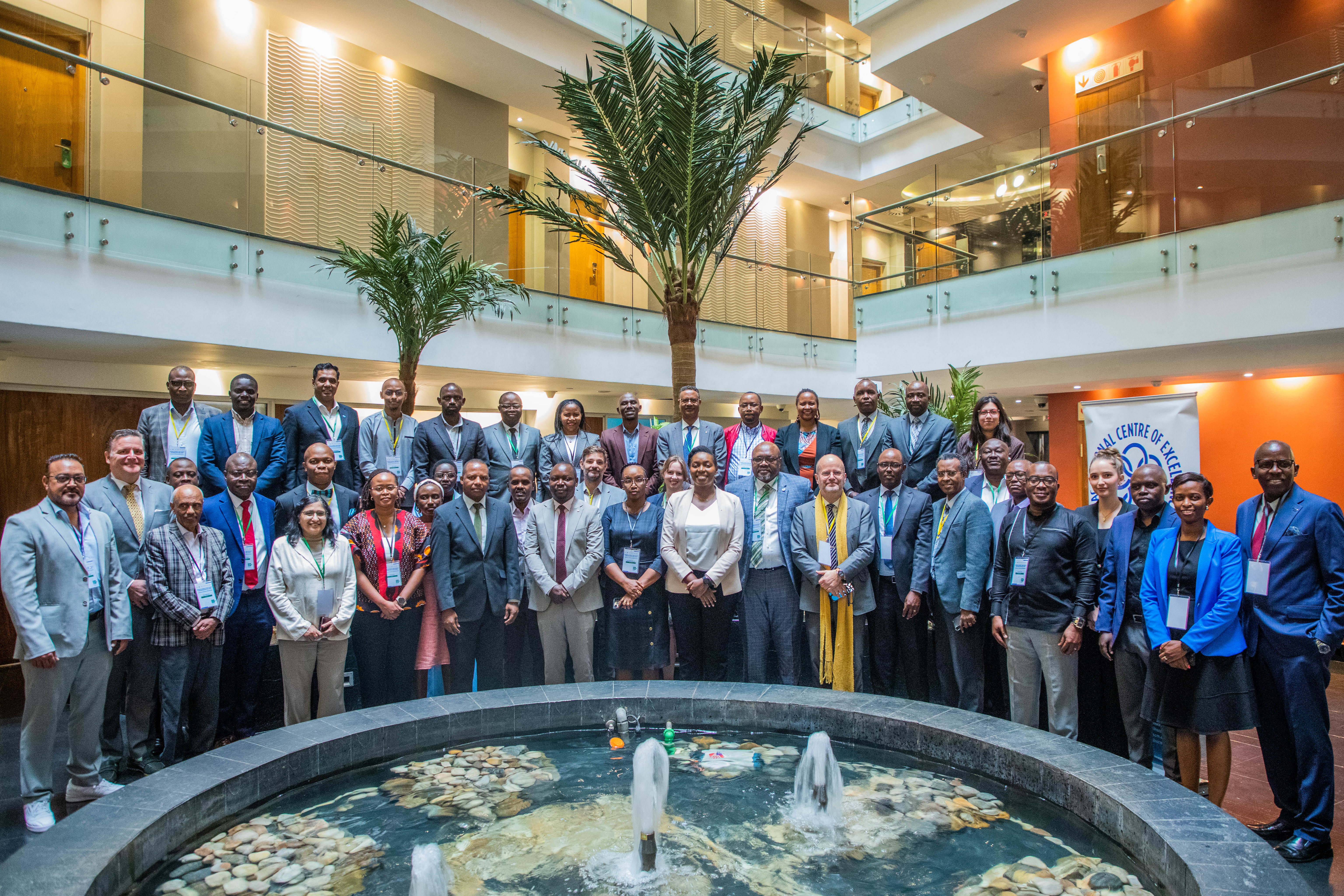
Africa CDC launches East Africa regional capability network to strengthen health workforce and local health product manufacturing
From 25–26 February 2026, leaders from government, academia, industry, and development partners convened in Kigali for the inaugural Regional…
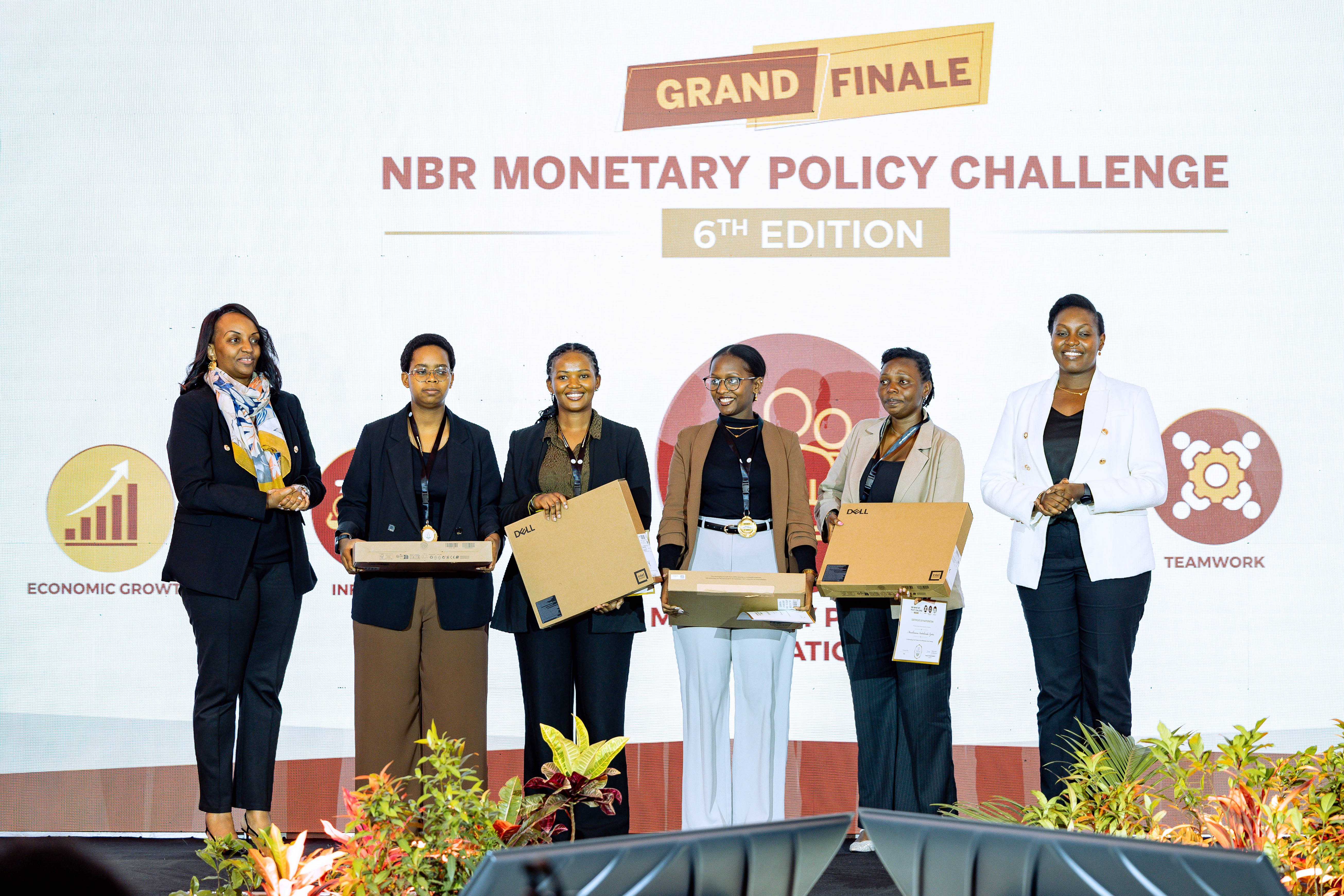
Minister of State for Education, Claudette Irere joins participants at the closing of the Sixth Edition of the Monetary Policy Challenge
Minister of State for Education, Claudette Irere joins participants at the closing of the Sixth Edition of the Monetary Policy Challenge, celebrating…
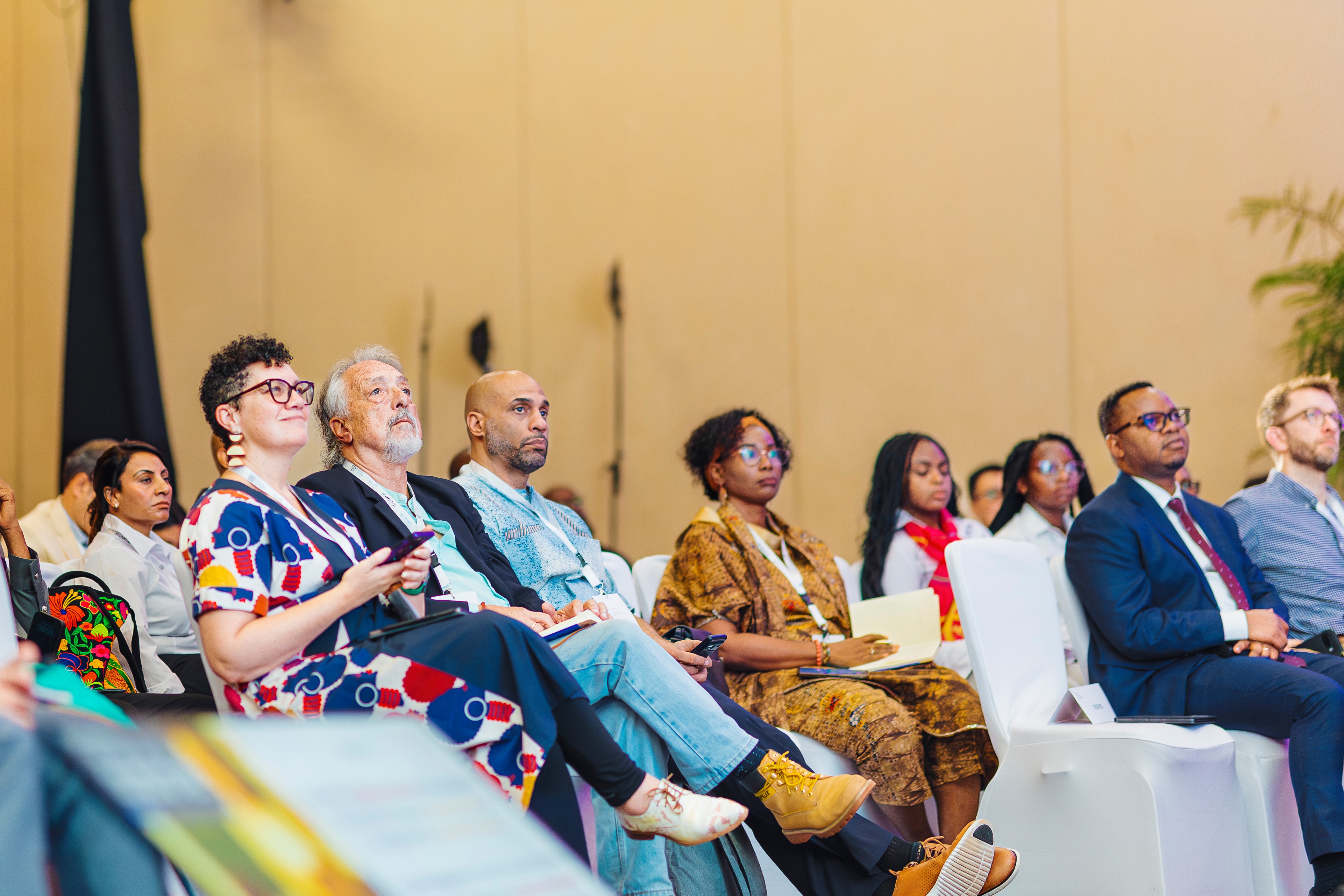
GLOBAL CONFERENCE IN RWANDA FOCUSES ON EDUCATION, HEALTH, AND SUSTAINABLE LEARNING
From 19–21 February 2026, Rwanda hosted the Global Learning Conference in Africa, bringing together educators, policymakers, thought leaders,…
