#DusangireLunch: School feeding impact on learning outcomes in Rwanda
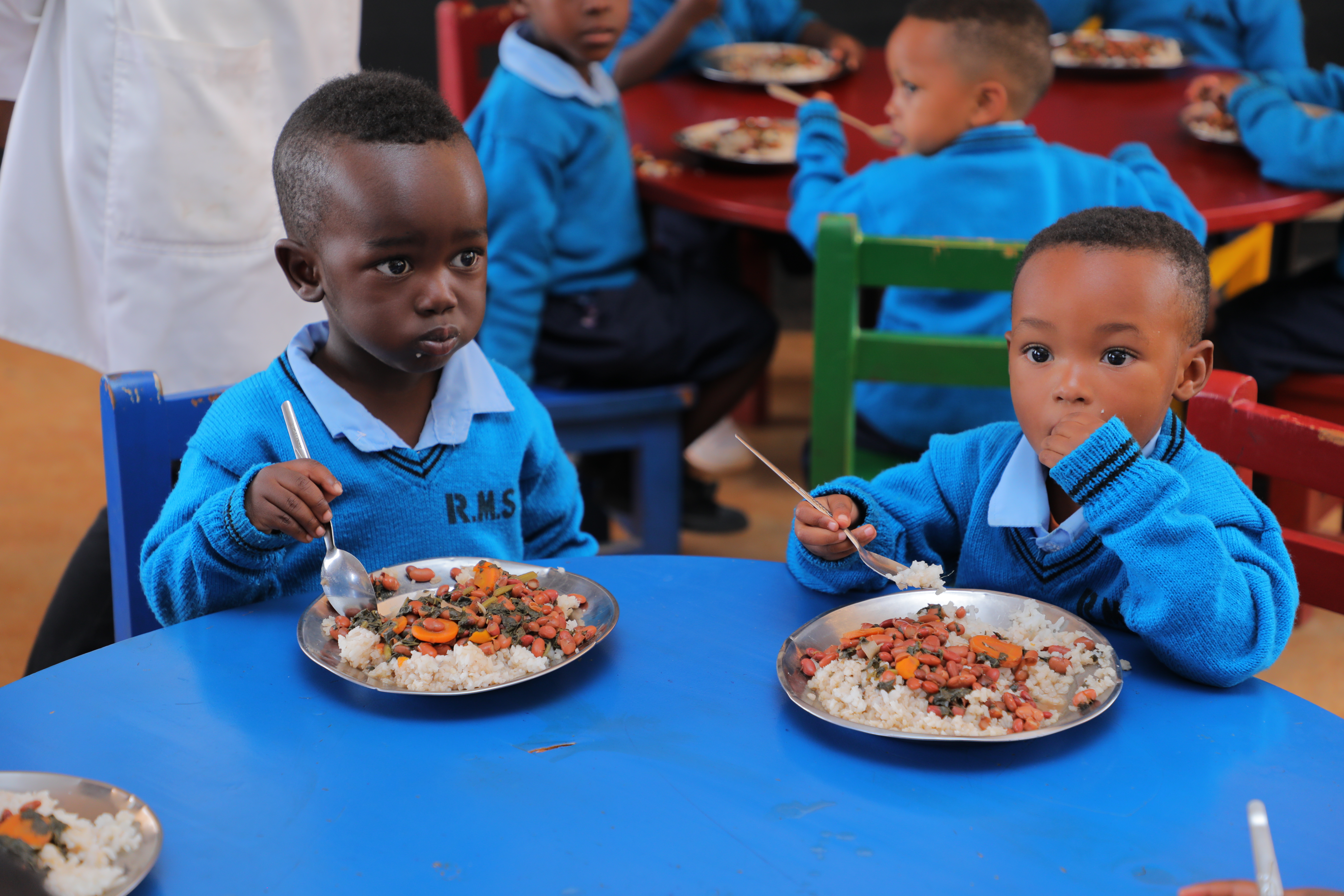
Rwanda continues to deepen its investment in students’ wellbeing and education outcomes through the National School Feeding Programme, strengthened in 2024 by the Dusangire Lunch campaign.
The Dusangire Lunch campaign is a catalyst within the programme launched in 2019; introduced to reinforce sustainability and increase community ownership of school meals through contributions from parents, cooperatives, private institutions and Rwandans abroad. The aim remains to ensure that no child is denied the ability to learn, concentrate and progress in school because of hunger.
Before school feeding reached national scale, hunger silently hindered learning, especially in rural and low-income communities. Schools frequently reported afternoon absenteeism as children went home searching for food and never returned. Others struggled to focus in class, became fatigued, or dropped out during planting or harvesting seasons when families depended on them for labour. The lack of regular meals was not merely a nutrition issue it created a barrier to access, equity and learning outcomes.
Today, the landscape has changed remarkably. More than four million students across Rwanda receive daily school meals, a shift that has stabilised attendance, improved retention and encouraged active classroom engagement. Teachers across districts describe fuller classrooms, stronger participation and noticeable improvements in learner performance. While the numbers reflect national progress, the story becomes more vivid through the experience of one school.
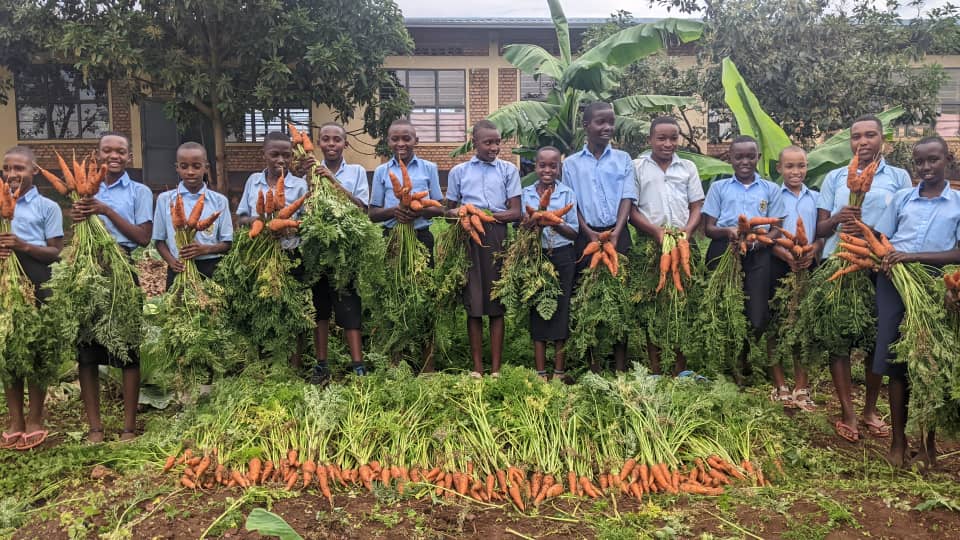
In Nyamagabe District, GS Gasaka has become one of the clearest examples of what school feeding can achieve. Enrolment rose to 100% by 2025. The school now operates a thriving kitchen garden and mushroom production unit that supplement meals with fresh vegetables and proteins, reducing costs and ensuring that meals remain consistent even in lean seasons. The impact is far felt in households.
Before Dusangire Lunch, Mujawayezu Jeanne, a small farmer and mother of five children who all study at GS Gasaka, struggled to feed her family.
“Many mornings my children went to class hungry, and some days they stayed home or left school early because they had no strength to continue. I wanted them to learn, but hunger would send them back home,” she recalls.
Today, the situation has transformed. “With daily meals provided at GS Gasaka, my children attend school consistently, remain active in class, and return home energetic and motivated. Now they eat at school and their performance is improving. I may not have money, but I give my time in the school garden seeing them learn gives me hope,” Mujawayezu says proudly.
Stories like hers are being observed nationwide as schools adopt gardens, local procurement and community participation models that strengthen sustainability.
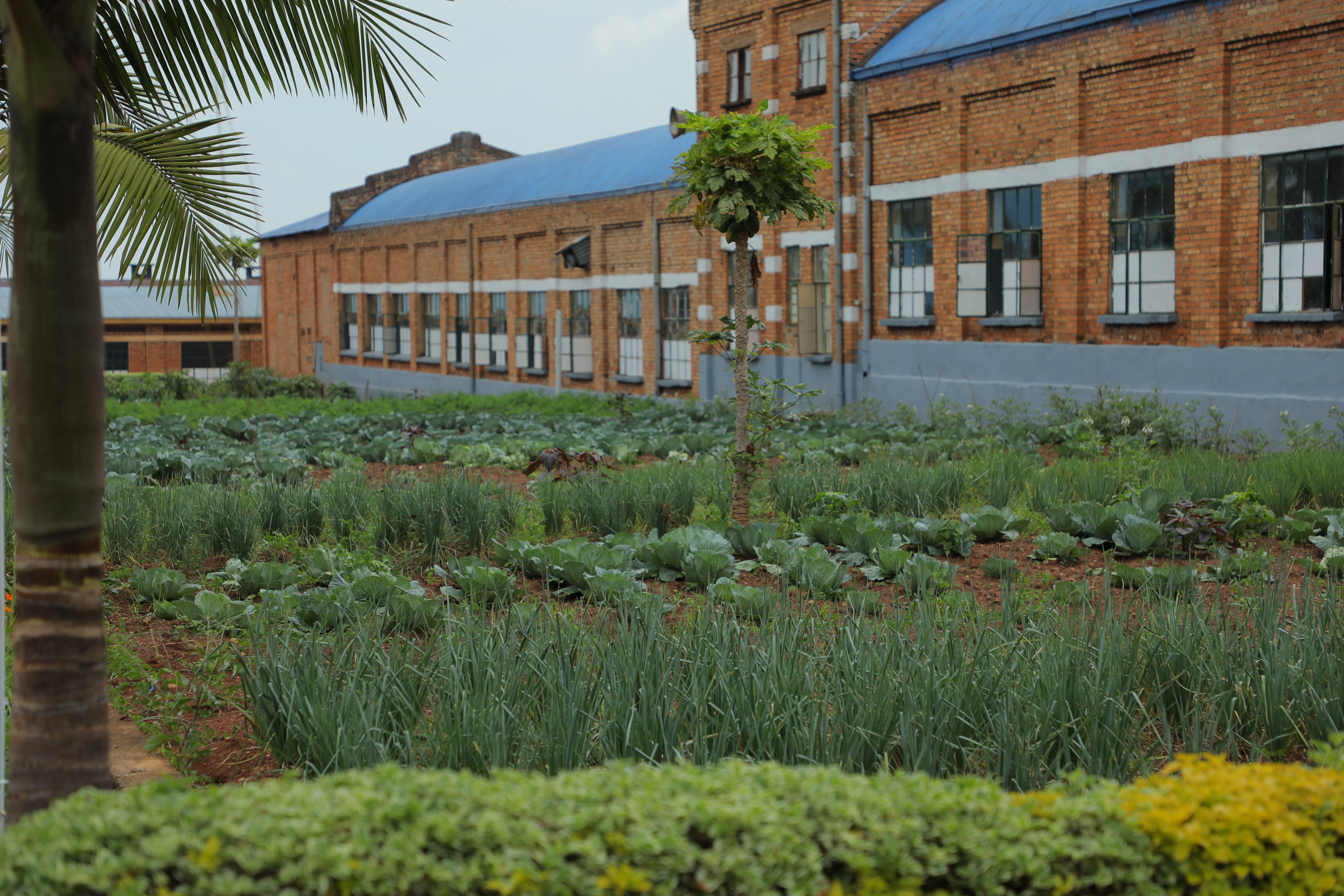
The strength of Dusangire Lunch lies in its shared-responsibility approach. Parents contribute money or food depending on capacity, farmers and cooperatives supply produce, the private sector supports meal fortification and infrastructure, while diaspora communities extend support through donations and partnerships. In return, children learn better, families experience reduced financial pressure, schools gain predictable attendance, and local agricultural markets benefit from stable demand. School meals are therefore not only nourishment they are a catalyst linking education, agriculture, community and economic development.
Rwanda’s progress also draws from global learning exchanges. The country has worked closely with Brazil, a world leader in school feeding. The Minister of State for Education, Claudette Irere, recently led technical visits to learn from Brazil’s community led, locally-sourced model. These insights continue to shape Rwanda’s approach to ensure quality, sustainability and long-term resilience.
Looking ahead, Rwanda views school feeding as a cornerstone of human capital development and an investment in future generations. Plans include expanding kitchen infrastructure, strengthening nutrition diversity, increasing local sourcing networks and scaling school gardens for year-round food availability.
Topics
The Ministry of education introduces new reforms to strengthen teaching, learning and student development
The Ministry of Education is introducing a series of reforms designed to improve the quality of education, strengthen the teaching profession and…

MINEDUC–World Bank partnership transforms Rubengera TTC into a modern teacher training hub
A partnership between the Ministry of Education (MINEDUC) and the World Bank has transformed Rubengera Teacher Training College in Karongi District…

Improved Learning Infrastructure Expands Opportunities for Learners in Rubavu
Investments in school infrastructure are helping learners access quality education and pursue their aspirations with greater confidence. At GS Umubano…

MINEDUC through HEC Launches Nationwide Outreach, Urges Universities to Align with National Priorities
The Ministry of Education through Higher Education Council, launches a nationwide outreach program to higher learning institutions (HLIs), aimed at…

University of Rwanda Launches Centre for Genocide and Conflict Studies
University of Rwanda Launches Centre for Genocide and Conflict Studies, the event that brought together government officials, members of parliament,…

SCHOOL FEEDING HAS SIGNIFICANTLY REDUCED SCHOOL DROPOUT
Rwanda, celebrates the national day of school feeding held on March 6, 2026, in Western Province, Rusizi District, Bugarama Sector at Groupe Scolaire…
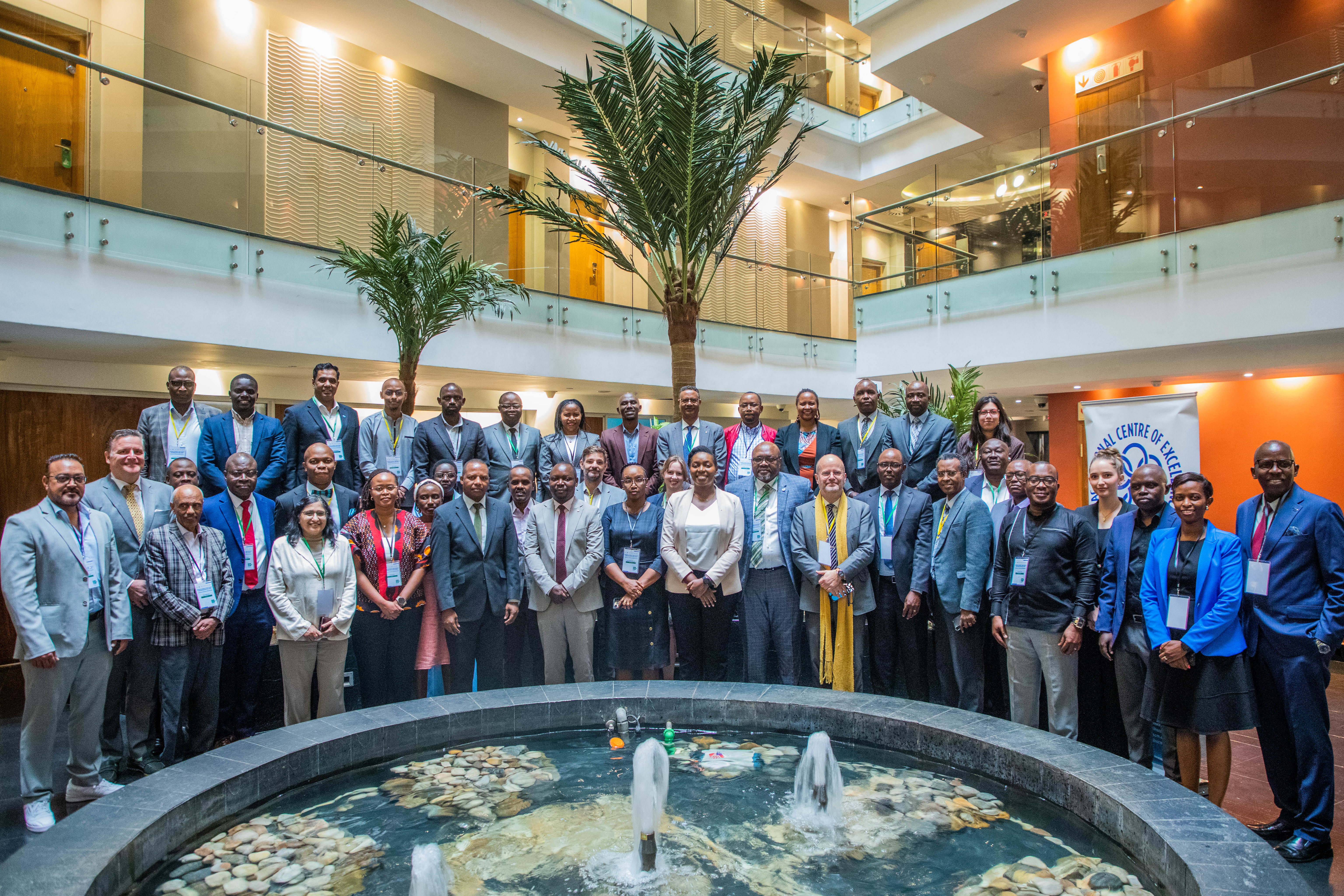
Africa CDC launches East Africa regional capability network to strengthen health workforce and local health product manufacturing
From 25–26 February 2026, leaders from government, academia, industry, and development partners convened in Kigali for the inaugural Regional…
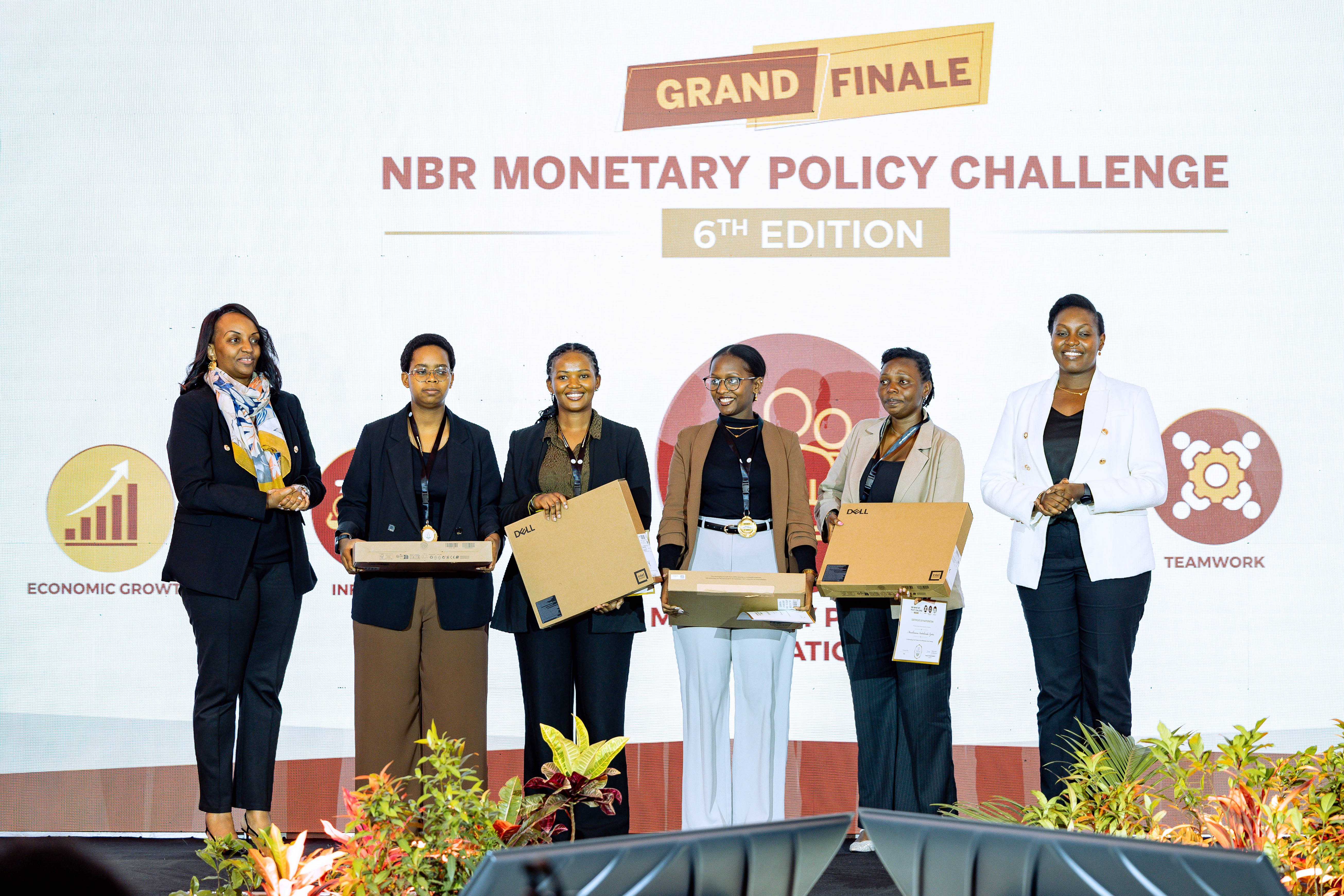
Minister of State for Education, Claudette Irere joins participants at the closing of the Sixth Edition of the Monetary Policy Challenge
Minister of State for Education, Claudette Irere joins participants at the closing of the Sixth Edition of the Monetary Policy Challenge, celebrating…
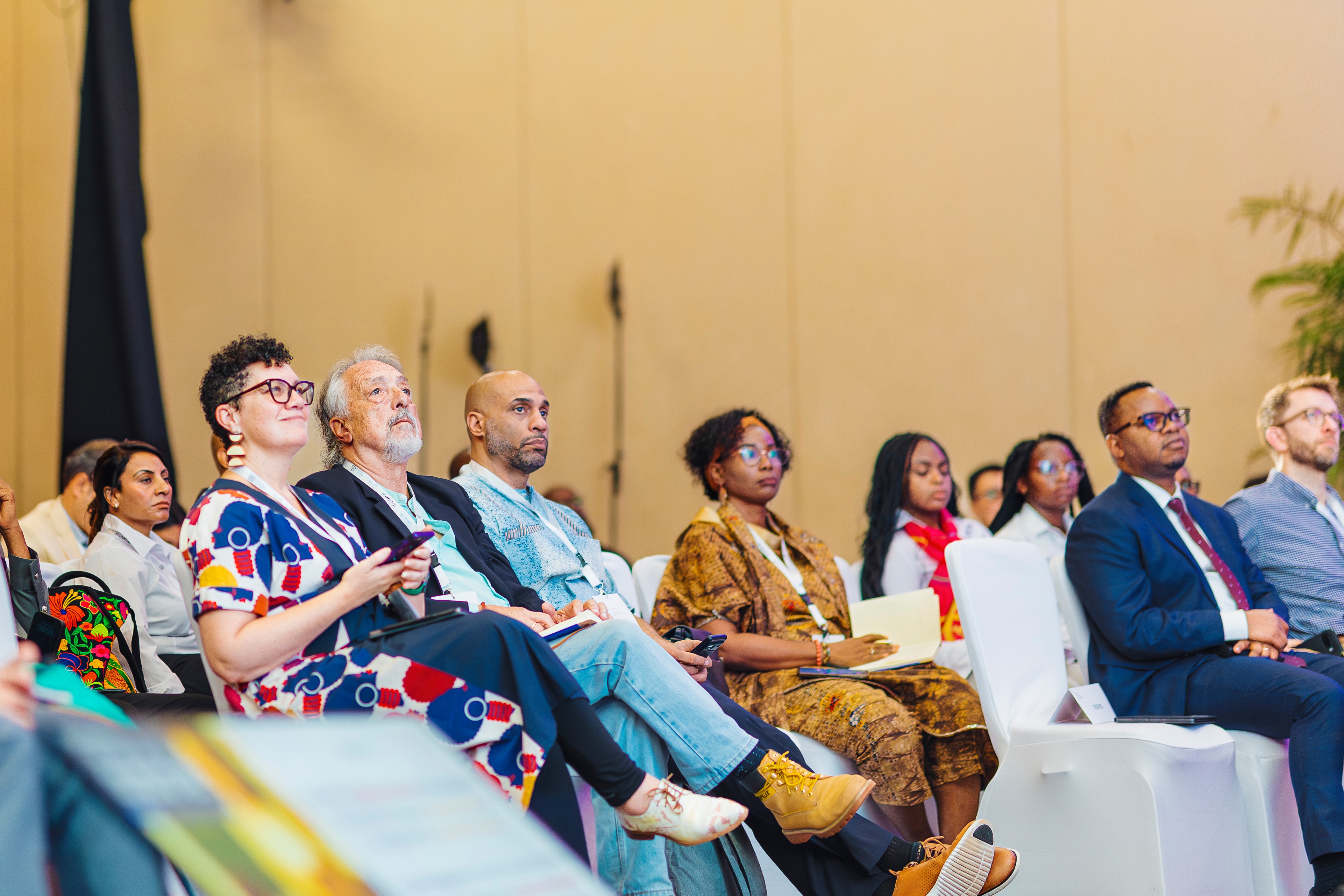
GLOBAL CONFERENCE IN RWANDA FOCUSES ON EDUCATION, HEALTH, AND SUSTAINABLE LEARNING
From 19–21 February 2026, Rwanda hosted the Global Learning Conference in Africa, bringing together educators, policymakers, thought leaders,…
