Rwanda’s State of Education Conference calls to strengthen foundation learning


The Ministry of Education convened the first session of the State of Education Conference in Kigali, placing foundational learning at the center of Rwanda’s education reform agenda. Held under the theme “Foundations for the Future: Reimagining Primary Education for Equity, Quality, and Impact”. The high-level gathering brought together a diverse group of stakeholders—government leaders, educators, partners, and civil society—to take stock of the sector and align with the National Strategy for Transformation (NST-2).
At the heart of the dialogue was a clear message: Rwanda cannot achieve quality, equitable education without building strong foundations in the early years.
While the country has made notable progress in expanding access to pre-primary education—reaching the NST1 target of 45% enrollment in 2023/24—Minister of Education Joseph Nsengimana reminded participants that this was just the beginning. “Meeting the target is not the finish line. It’s a call to go further,” he stated. “We are now setting our sights on 65% enrollment in the next five years, because every child deserves a strong start.”
Adia Umulisa, Head of Education Sector Planning, Monitoring, and Evaluation, presented national data showing a steady rise in pre-primary enrollment but warned of persistent challenges in primary education, including overcrowded classrooms, repetition, and dropout. These issues continue to erode learning outcomes and signal the urgent need to invest more deliberately in the early years.
“Foundational learning is not just about early reading or numeracy,” Minister Nsengimana emphasized. “It’s about equipping children with the cognitive, social, and emotional tools they need to thrive throughout their academic life. That work starts in the home, in the community, and in quality pre-primary classrooms.”
The conference served as a platform to reflect on what’s working, confront systemic barriers, and discuss scalable solutions—from strengthening school leadership to mobilizing communities around early childhood education.
Participants from across the education ecosystem—including district leaders, teachers, development partners, and private sector actors—engaged in evidence-based discussions aimed at generating actionable insights and commitments. Across the board, the call was clear: foundational learning must remain Rwanda’s top priority if every child is to fulfill their potential.
Topics
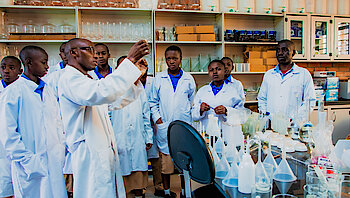
The Ministry of education introduces new reforms to strengthen teaching, learning and student development
The Ministry of Education is introducing a series of reforms designed to improve the quality of education, strengthen the teaching profession and…

MINEDUC–World Bank partnership transforms Rubengera TTC into a modern teacher training hub
A partnership between the Ministry of Education (MINEDUC) and the World Bank has transformed Rubengera Teacher Training College in Karongi District…

Improved Learning Infrastructure Expands Opportunities for Learners in Rubavu
Investments in school infrastructure are helping learners access quality education and pursue their aspirations with greater confidence. At GS Umubano…

MINEDUC through HEC Launches Nationwide Outreach, Urges Universities to Align with National Priorities
The Ministry of Education through Higher Education Council, launches a nationwide outreach program to higher learning institutions (HLIs), aimed at…

University of Rwanda Launches Centre for Genocide and Conflict Studies
University of Rwanda Launches Centre for Genocide and Conflict Studies, the event that brought together government officials, members of parliament,…

SCHOOL FEEDING HAS SIGNIFICANTLY REDUCED SCHOOL DROPOUT
Rwanda, celebrates the national day of school feeding held on March 6, 2026, in Western Province, Rusizi District, Bugarama Sector at Groupe Scolaire…
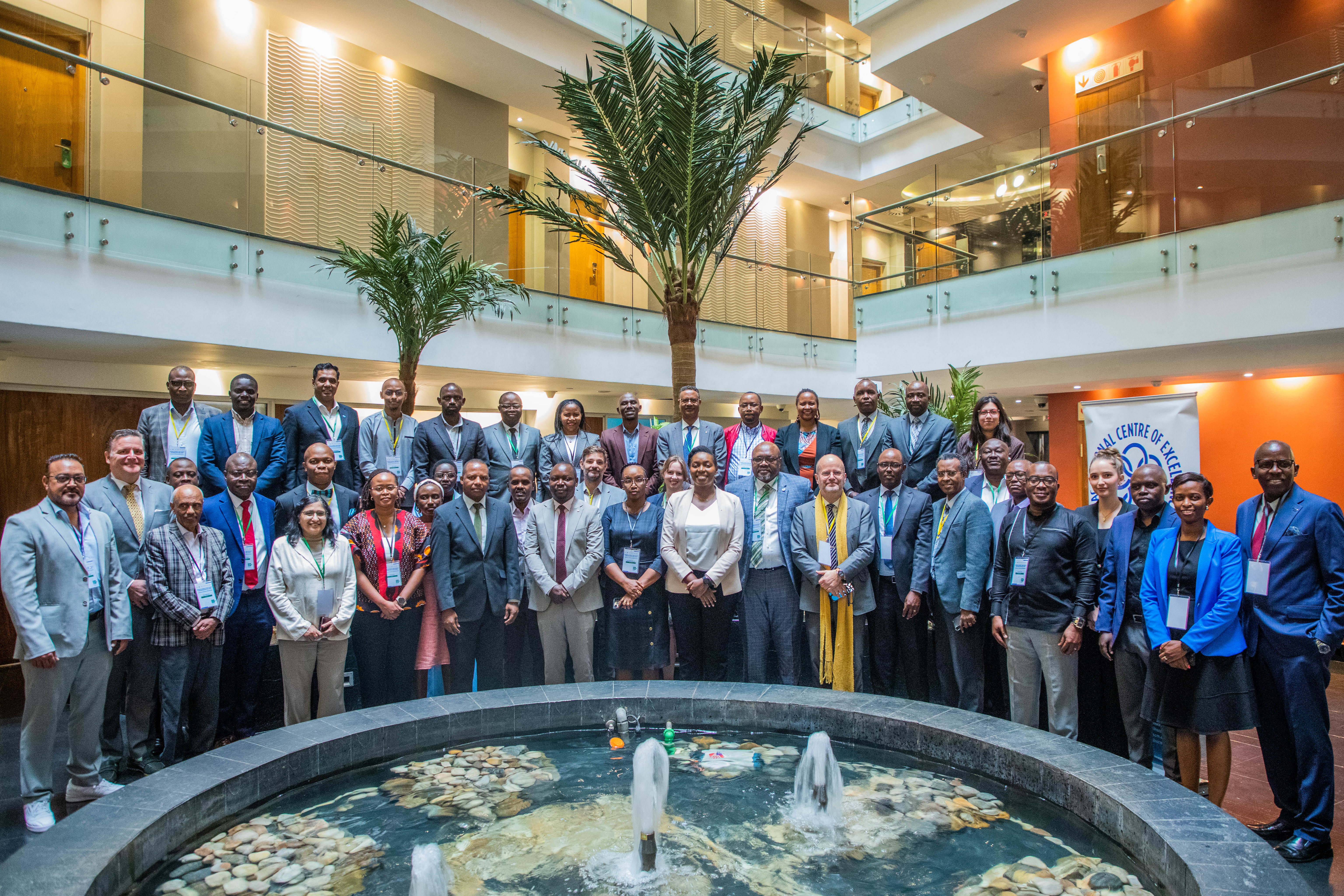
Africa CDC launches East Africa regional capability network to strengthen health workforce and local health product manufacturing
From 25–26 February 2026, leaders from government, academia, industry, and development partners convened in Kigali for the inaugural Regional…
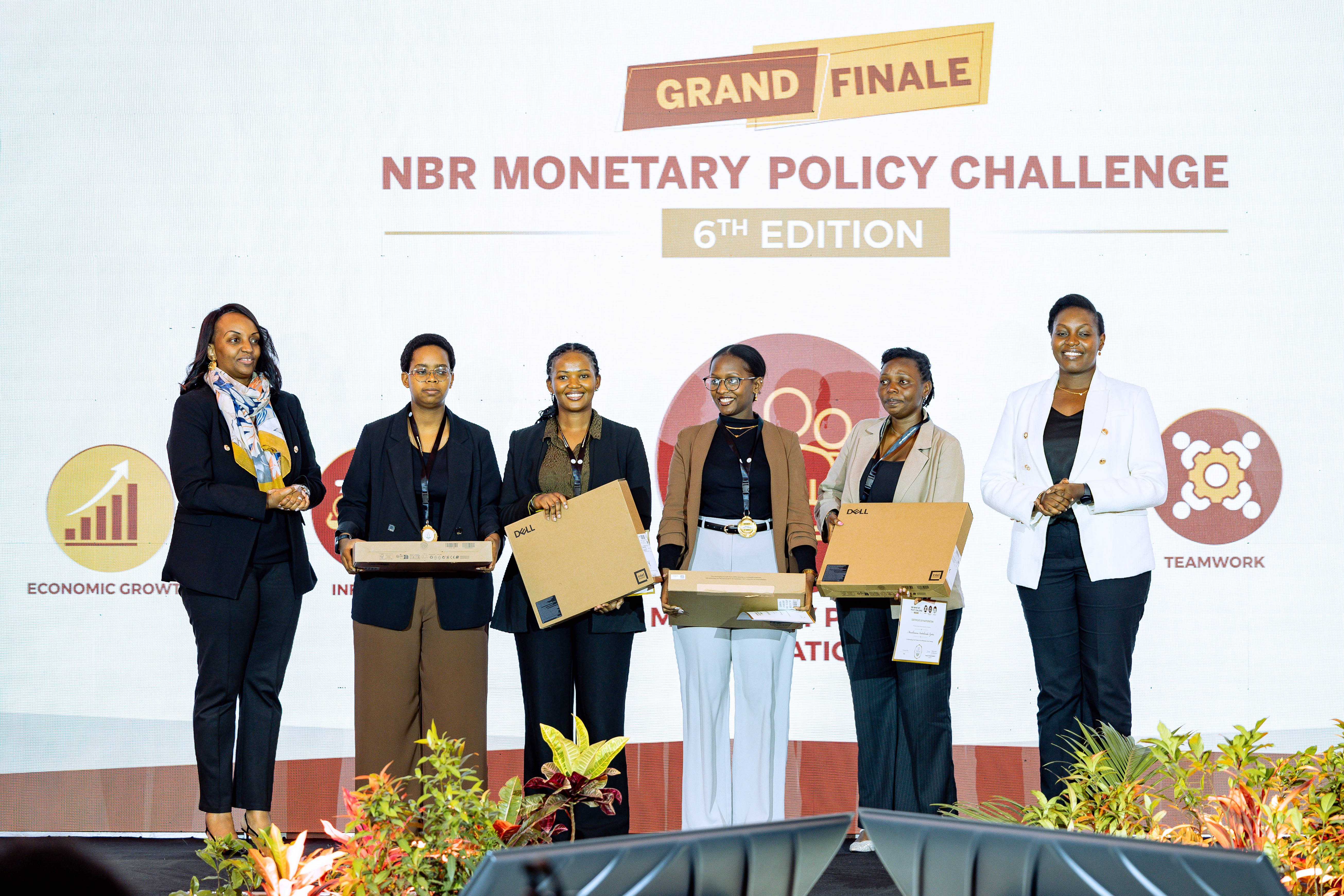
Minister of State for Education, Claudette Irere joins participants at the closing of the Sixth Edition of the Monetary Policy Challenge
Minister of State for Education, Claudette Irere joins participants at the closing of the Sixth Edition of the Monetary Policy Challenge, celebrating…
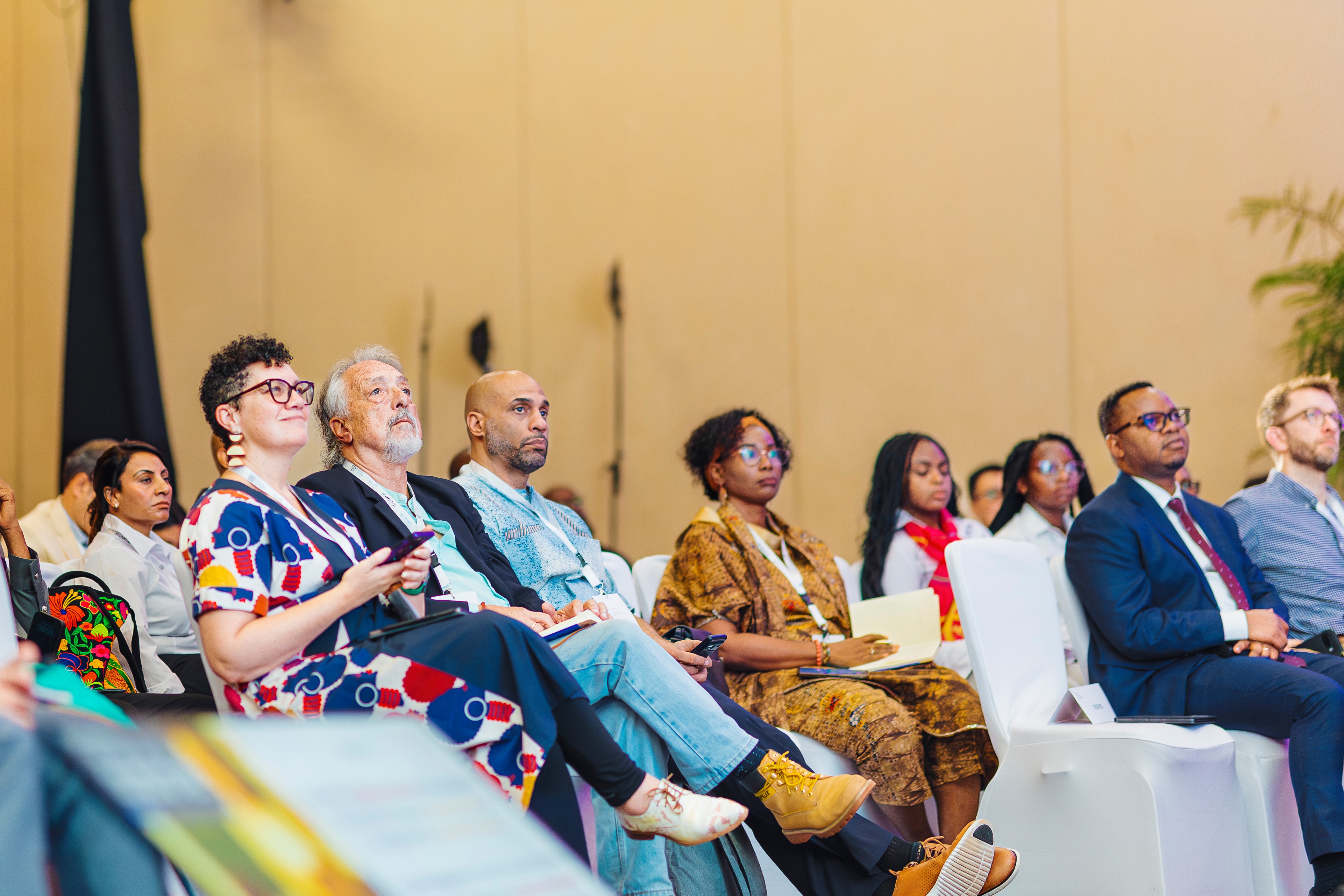
GLOBAL CONFERENCE IN RWANDA FOCUSES ON EDUCATION, HEALTH, AND SUSTAINABLE LEARNING
From 19–21 February 2026, Rwanda hosted the Global Learning Conference in Africa, bringing together educators, policymakers, thought leaders,…
