Rwanda Polytechnic Strengthens Advanced Technical Skills Training to Meet Labour Market Needs
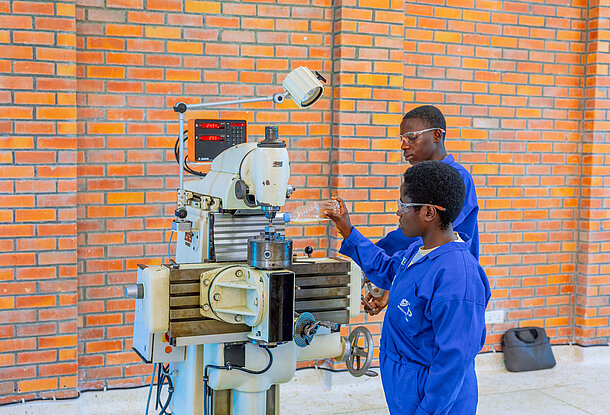
Rwanda Polytechnic (RP) is strengthening practical training, industry partnerships and skills development to prepare graduates for employment, entrepreneurship and the changing demands of the labour market.
As one of Rwanda's key institutions for higher-level Technical and Vocational Education and Training (TVET), Rwanda Polytechnic plays an important role in developing the technicians, technologists and other skilled professionals needed across different sectors of the economy.
Its approach reflects the Ministry of Education's broader policy direction of making TVET more responsive to labour market demands, strengthening the relationship between training institutions and industry, and ensuring that qualifications translate into practical competencies and employment opportunities.
At RP Huye College, this approach is reflected in facilities that allow students to acquire practical experience alongside classroom instruction.
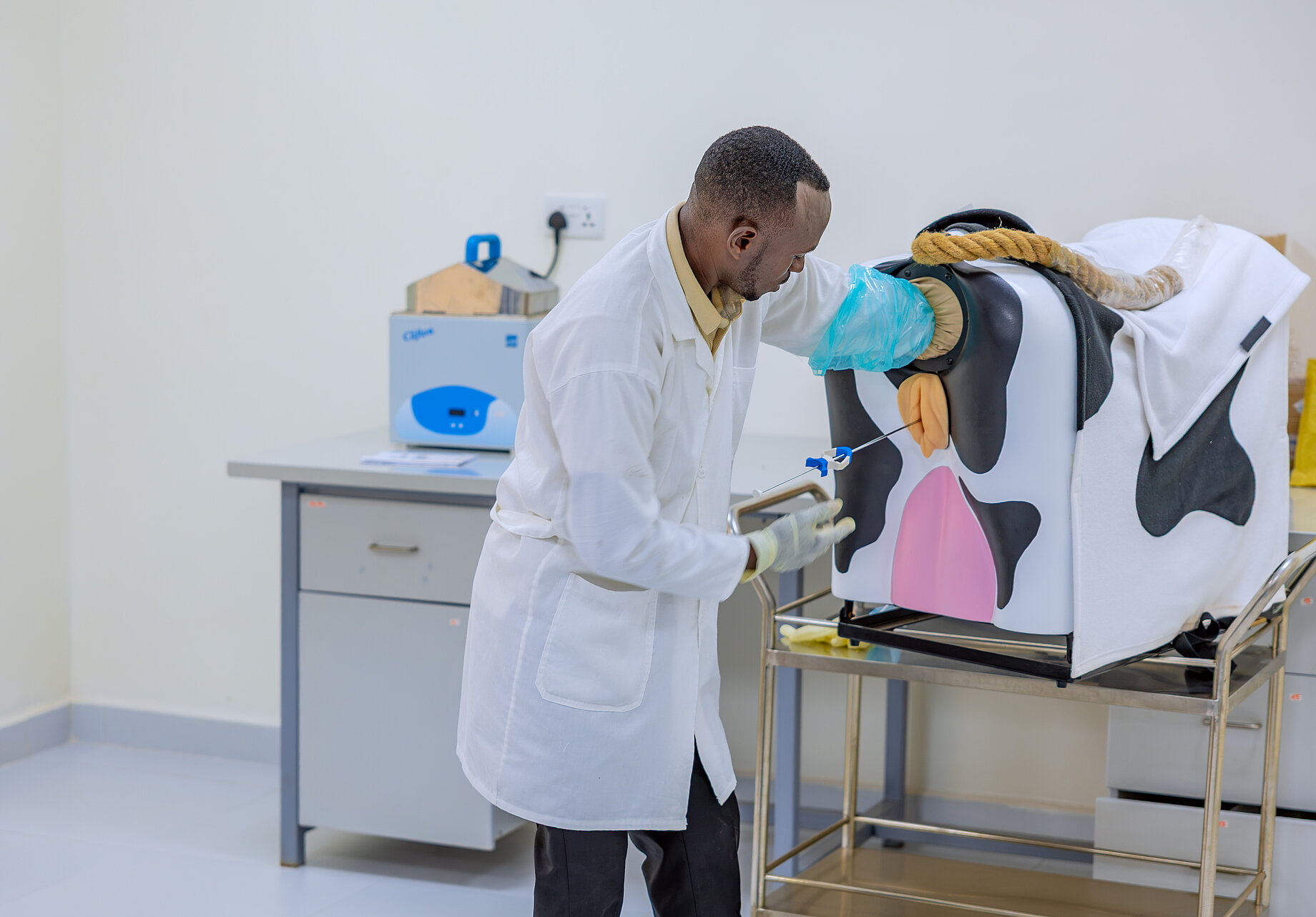
The college has a fruit-processing plant, agriculture and animal husbandry laboratories, and modern workshops for mechanical engineering, construction, electricity and electric vehicle technology.
These facilities provide students with opportunities to apply theoretical knowledge, operate equipment, solve practical problems and develop skills relevant to their future professions.
Connecting training with employment opportunities

The Vice Chancellor of Rwanda Polytechnic, Dr Sylvie Mucyo, highlighted the institution's growing contribution to employment and skills development, noting that approximately 95% of graduates in agriculture and animal husbandry secure employment across the agricultural value chain.
“Our focus is to equip students with practical skills that respond to labour market needs. The fact that about 95% of our agriculture and animal husbandry graduates secure employment across the agricultural value chain demonstrates the relevance of skills-based education. We continue to strengthen our partnerships with industry to ensure that our graduates are prepared for available opportunities and can contribute to the country’s development,” she said.
She explained that some of the remaining graduates pursue further studies or additional training, rather than entering the labour market immediately.
The Principal of RP Huye College, Lt. Col. Bernabe Twabagira, said the institution maintains close relationships with private companies and industries to help students transition from training into employment.

“We have a system for tracking our graduates to establish whether they have secured jobs and where they work. We also collaborate with different industries and institutions, where some of our graduates find employment,” he said.
Graduate tracking is an important part of the institution's efforts to assess the relevance of its programmes and understand how graduates are performing in the labour market.
Beyond establishing whether graduates are employed, such information can help identify skills gaps, inform curriculum reviews and strengthen collaboration with employers.
Positioning TVET as a pathway to higher qualifications
Rwanda Polytechnic has eight colleges offering approximately 70 programmes, with plans to introduce additional courses in response to emerging labour market needs.
Its training opportunities range from short professional courses lasting as little as three months to advanced academic and professional qualifications.
This reflects an important direction in Rwanda's TVET policy: technical and vocational education should not be viewed only as a pathway to entry-level employment, but also as an opportunity for continued learning, professional specialisation and higher-level qualifications.
Through Rwanda Polytechnic, students can pursue advanced technical education while developing competencies relevant to industry, entrepreneurship and technological innovation.
The institution is also expanding training in emerging and specialised fields. In March 2026, for example, RP introduced Advanced Diploma programmes in Airline and Airport Management and Logistics and Supply Chain Management at RP Kigali College, supported by specialised training facilities.
Such programmes demonstrate the importance of continuously adapting technical education to the skills required in Rwanda's growing and diversifying economy.
Strengthening the link between education and industry
The Ministry of Education's approach to TVET places particular emphasis on aligning training programmes with the skills employers need, expanding work-based learning and strengthening cooperation between education institutions and the private sector.
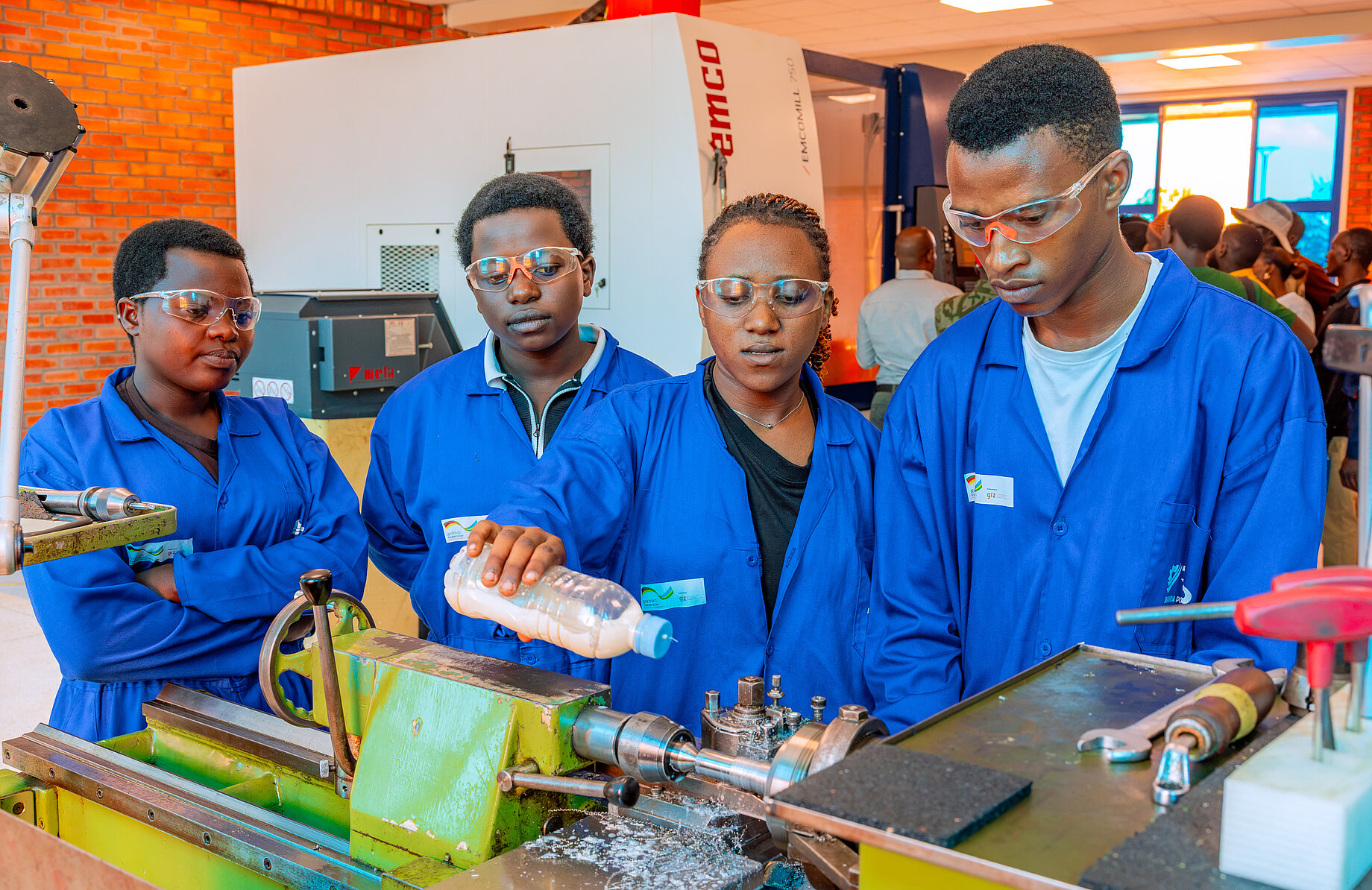
This includes ensuring that students are exposed to modern equipment, industry practices and emerging technologies during their training.
In sectors such as agriculture, manufacturing, construction, energy and transport, practical training is particularly important because graduates must be able to demonstrate competencies that can be applied directly in the workplace.
The emphasis on practical skills also supports entrepreneurship, enabling graduates to create their own employment opportunities, establish businesses and contribute to local economic development.
For Rwanda Polytechnic, strengthening industry partnerships therefore goes beyond facilitating employment for graduates. It also involves engaging employers in identifying skills needs, improving training programmes and ensuring that technical education keeps pace with changes in the economy.
Using graduate outcomes to improve training
The Ministry of Education is also considering extending graduate-tracking systems to the University of Rwanda to strengthen the monitoring of employment outcomes across higher learning institutions.
Such systems can provide valuable evidence on how graduates transition into employment, which programmes respond effectively to labour market needs and where additional improvements may be required.
At RP Huye College, the combination of practical facilities, industry partnerships and graduate tracking illustrates how higher-level TVET can connect education more closely with employment and economic development.
The broader objective is to develop a skilled workforce capable of meeting current labour market demands while adapting to new technologies, emerging industries and future opportunities.
Topics
Rwanda Polytechnic Strengthens Advanced Technical Skills Training to Meet Labour Market Needs
Rwanda Polytechnic (RP) is strengthening practical training, industry partnerships and skills development to prepare graduates for employment,…
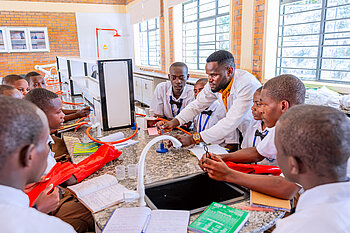
TTC Reforms to Strengthen Teacher Professionalism, Digital Skills and Classroom Readiness
Rwanda's ongoing reform of Teacher Training Colleges (TTCs), which extends teacher education programmes from three to five years, is designed to…

New Classrooms and sanitation facilities to improve learning conditions
The Government of Rwanda, through the Ministry of Education, in partnership with UNICEF, has completed 313 new classrooms and 324 toilet facilities…

University of Rwanda Celebrates 4,953 Graduates at Its 12th Graduation Ceremony at the College of Education, Rukara Campus
The University of Rwanda (UR) celebrates the graduation of 4,953 students from its seven colleges at a ceremony taking place at Rukara Campus in…
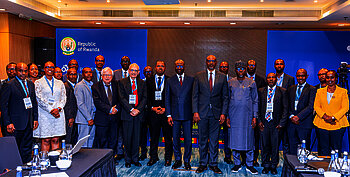
PASET Governing Council Meets in Kigali to Strengthen Africa’s Scientific and Technological Capacity
The Partnership for Skills in Applied Sciences, Engineering and Technology (PASET) has convened its Governing Council meeting in Kigali, bringing…

Minister of Education engages head teachers nationwide to strengthen school leadership and improve education quality
The Minister of Education, Joseph Nsengimana, is holding a series of meetings with head teachers across the country to discuss ongoing education…
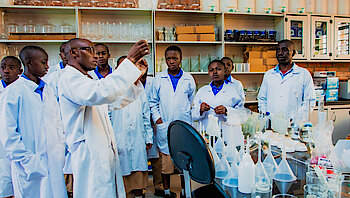
The Ministry of education introduces new reforms to strengthen teaching, learning and student development
The Ministry of Education is introducing a series of reforms designed to improve the quality of education, strengthen the teaching profession and…

MINEDUC–World Bank partnership transforms Rubengera TTC into a modern teacher training hub
A partnership between the Ministry of Education (MINEDUC) and the World Bank has transformed Rubengera Teacher Training College in Karongi District…

Improved Learning Infrastructure Expands Opportunities for Learners in Rubavu
Investments in school infrastructure are helping learners access quality education and pursue their aspirations with greater confidence. At GS Umubano…
