TTC Reforms to Strengthen Teacher Professionalism, Digital Skills and Classroom Readiness
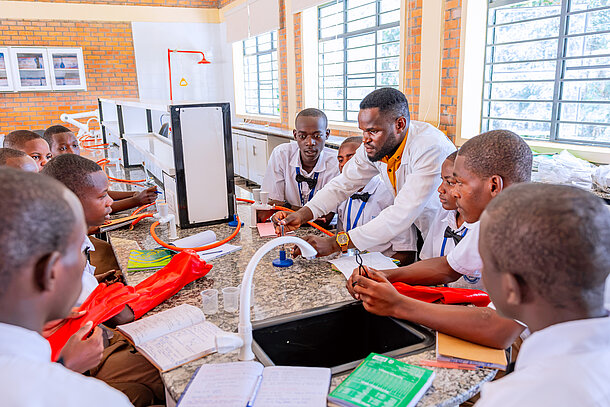
Rwanda's ongoing reform of Teacher Training Colleges (TTCs), which extends teacher education programmes from three to five years, is designed to strengthen the quality of teaching by giving future educators more time to acquire professional knowledge, develop practical classroom skills and build competencies required in a changing education system.
The reform, introduced in the 2026/2027 academic year, reflects the Ministry of Education's broader commitment to improving learning outcomes by investing in the quality of teachers. It places greater emphasis on professional training, subject mastery, teaching practice, digital literacy and English proficiency.
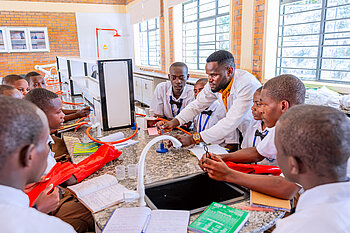
At TTC Saint Jean Baptiste de Cyahinda in Nyaruguru District, the reform has been welcomed by school leadership, who see it as an opportunity to prepare teachers more thoroughly for their responsibilities in the classroom.
The school, which has 941 students, is implementing the revised programme, with increased attention to professional courses, teaching methodologies, classroom management and the practical competencies required of future teachers.
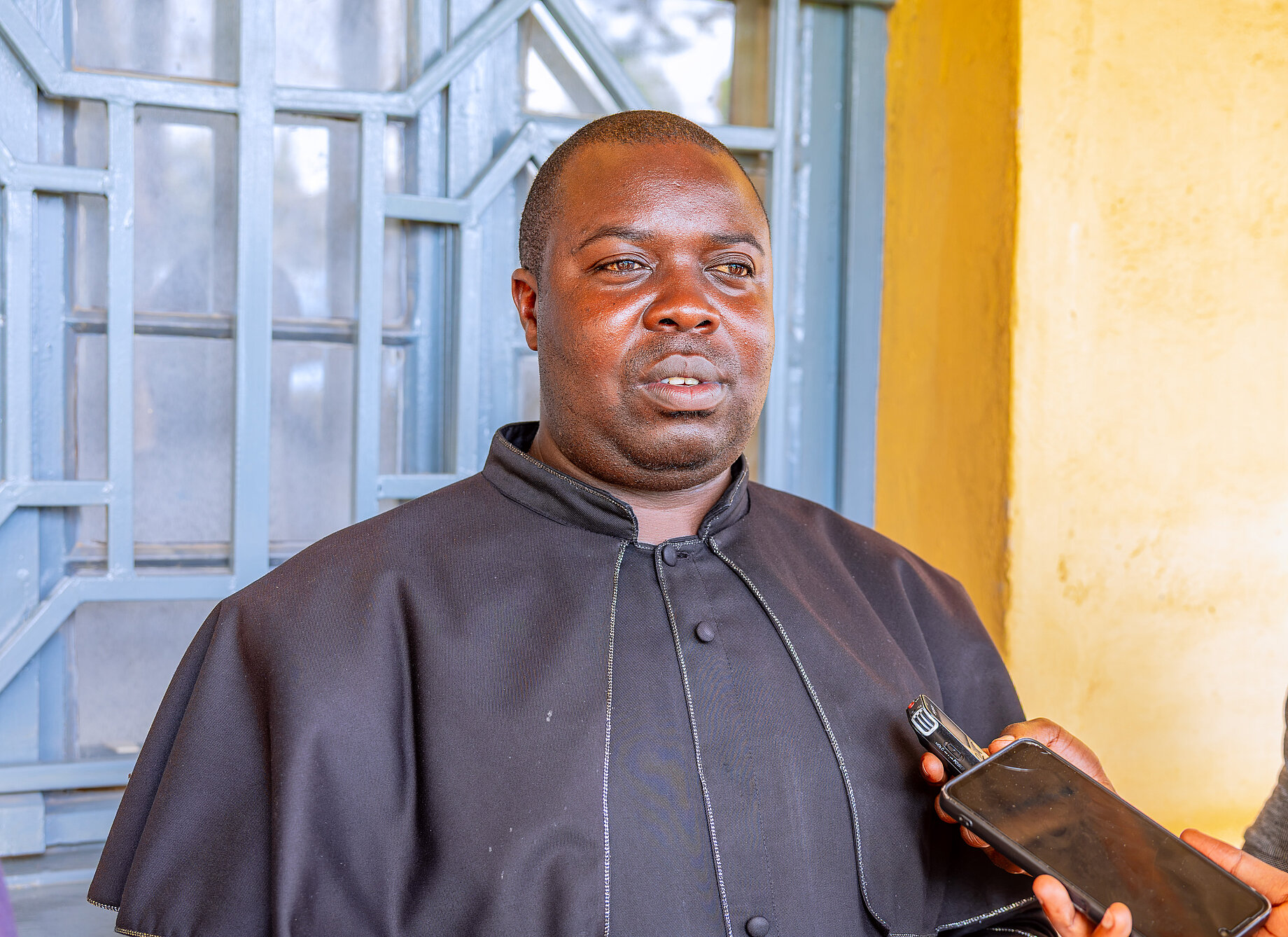
The Principal of TTC Saint Jean Baptiste de Cyahinda, Father Jean de Dieu Nzagahimana, described the reform as an important step towards strengthening teacher education.
“These changes are an important step and bring great hope for the future of our education system,” he said.
He explained that the additional years of training provide more opportunities for students to deepen their understanding of the teaching profession, develop professional values and acquire the practical skills needed to support learners effectively.
More time for professional training and classroom experience
One of the most significant changes is the increased time allocated to professional education and teaching practice.
Under the previous three-year programme, student teachers largely focused on subjects within their areas of specialisation. The revised programme broadens their preparation to cover all subjects taught at primary school level, while allowing them to maintain their specialisation.
The Deputy Director General of the Rwanda Education Board (REB), Dr Flora Mutezigaju, explained that the approach is intended to produce teachers with broader competencies and greater flexibility in classroom instruction.

“Previously, students in the three-year programme undertook teaching practice only in subjects related to their areas of specialisation. Under the new programme, they will study all subjects taught in primary schools, enabling them to teach any subject while maintaining their specialisation,” she explained.
The reform also doubles the teaching practicum period from three to six months, giving student teachers more opportunities to apply what they have learned in real classroom settings.
This extended practical experience is expected to strengthen lesson planning, classroom management, learner assessment and the ability to respond to different learning needs.
It also allows future teachers to become more familiar with the realities of school life before entering the profession.
Preparing teachers for a changing education system
Beyond classroom practice, the revised TTC curriculum places greater emphasis on digital competencies and the use of technology in teaching and learning.
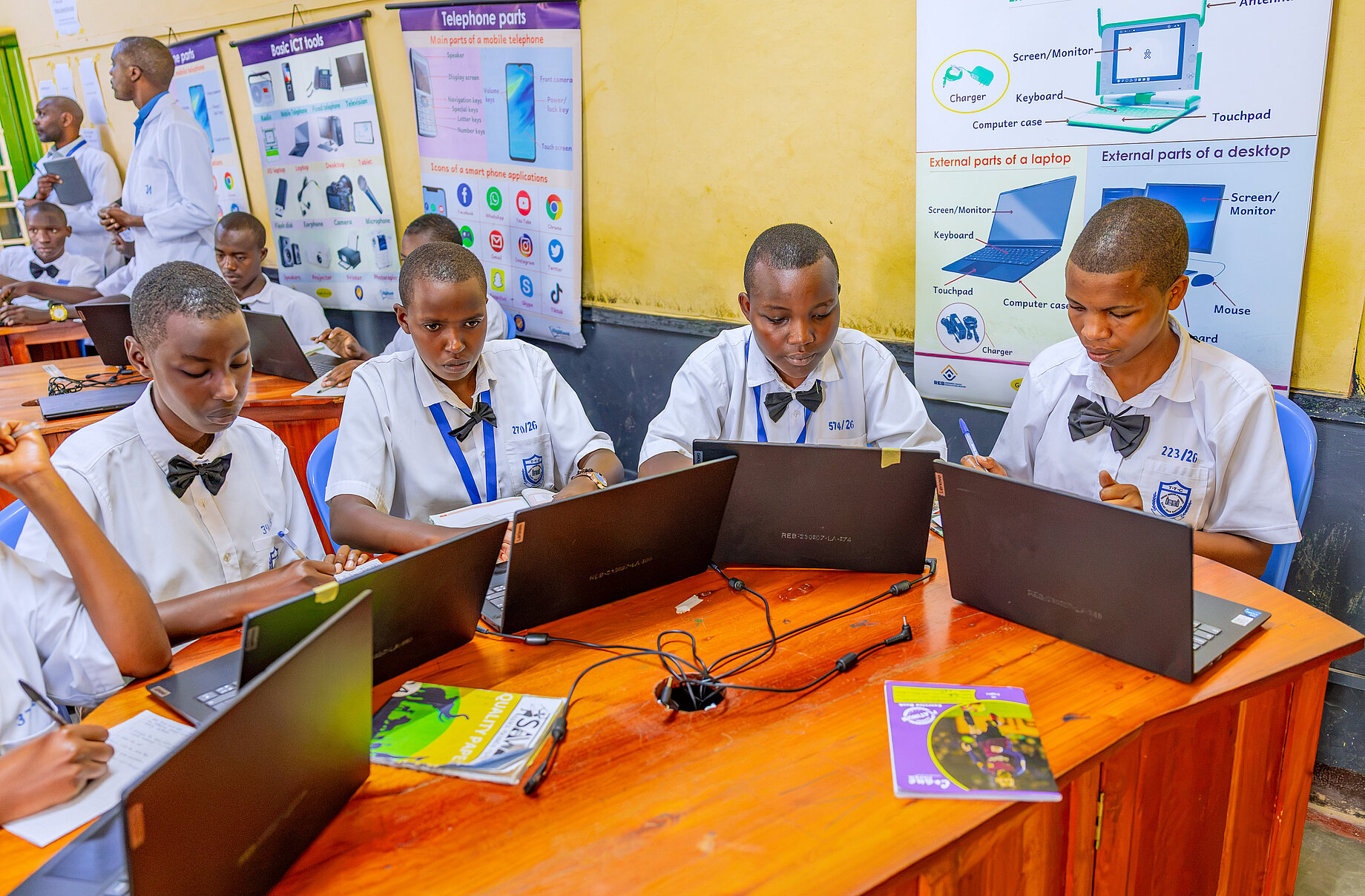
All TTC students are expected to graduate with digital and Artificial Intelligence (AI) competencies acquired through online learning, enabling them to use emerging technologies to support lesson preparation, teaching and assessment.
English proficiency is another important component of the reform. Students are expected to attain at least B2 level in English, strengthening their ability to communicate effectively and deliver instruction in a system where English is the language of instruction from primary school onwards.
These changes recognise that improving education quality requires teachers who are not only knowledgeable in their subjects but also confident in using modern teaching approaches, communicating effectively and responding to learners' diverse needs.
Alongside the national reforms, TTC Saint Jean Baptiste de Cyahinda has introduced the Welcome Test, an initiative encouraging students to continue revising their lessons during school holidays.
The assessment helps teachers establish how well students have retained previously acquired knowledge, identify learning gaps and provide targeted academic support.
Strengthening the teacher education pathway
At the national level, 4,183 students enrolled in the new five-year programme across Rwanda's 16 Teacher Training Colleges during the 2026/2027 academic year.
The revised programme leads to an A1 qualification, strengthening the initial professional preparation of primary school teachers. Graduates wishing to pursue further studies will also have the opportunity to undertake an additional two years of university education to obtain an A0 qualification.
By combining longer professional preparation, expanded subject knowledge, increased teaching practice and stronger digital and language competencies, the reform seeks to ensure that new teachers enter the profession better equipped to support effective learning.
For the Ministry of Education, the reform is part of a wider effort to improve the quality of education at its foundation: the interaction between a well-prepared teacher and the learner in the classroom.
Topics
Rwanda Polytechnic Strengthens Advanced Technical Skills Training to Meet Labour Market Needs
Rwanda Polytechnic (RP) is strengthening practical training, industry partnerships and skills development to prepare graduates for employment,…
TTC Reforms to Strengthen Teacher Professionalism, Digital Skills and Classroom Readiness
Rwanda's ongoing reform of Teacher Training Colleges (TTCs), which extends teacher education programmes from three to five years, is designed to…
New Classrooms and sanitation facilities to improve learning conditions
The Government of Rwanda, through the Ministry of Education, in partnership with UNICEF, has completed 313 new classrooms and 324 toilet facilities…

University of Rwanda Celebrates 4,953 Graduates at Its 12th Graduation Ceremony at the College of Education, Rukara Campus
The University of Rwanda (UR) celebrates the graduation of 4,953 students from its seven colleges at a ceremony taking place at Rukara Campus in…
PASET Governing Council Meets in Kigali to Strengthen Africa’s Scientific and Technological Capacity
The Partnership for Skills in Applied Sciences, Engineering and Technology (PASET) has convened its Governing Council meeting in Kigali, bringing…
Minister of Education engages head teachers nationwide to strengthen school leadership and improve education quality
The Minister of Education, Joseph Nsengimana, is holding a series of meetings with head teachers across the country to discuss ongoing education…
The Ministry of education introduces new reforms to strengthen teaching, learning and student development
The Ministry of Education is introducing a series of reforms designed to improve the quality of education, strengthen the teaching profession and…

MINEDUC–World Bank partnership transforms Rubengera TTC into a modern teacher training hub
A partnership between the Ministry of Education (MINEDUC) and the World Bank has transformed Rubengera Teacher Training College in Karongi District…

Improved Learning Infrastructure Expands Opportunities for Learners in Rubavu
Investments in school infrastructure are helping learners access quality education and pursue their aspirations with greater confidence. At GS Umubano…
